
When Counterfeit Cosmetics Look Almost Identical to Originals
In the cosmetics industry, counterfeiting is not always obvious.
Fake products are no longer crude copies. Packaging looks authentic. Labels appear professional. Even barcodes and batch numbers can be replicated. For distributors and consumers, distinguishing real from fake becomes increasingly difficult.
The impact goes beyond revenue loss. Counterfeit cosmetics can damage skin, trigger regulatory issues, and quickly erode brand reputation.
At HX, we’ve worked with beauty brands facing these challenges across different markets. The common issue is not the lack of labeling—but the lack of effective, layered protection. This is why properly designed anti counterfeit labels for cosmetics have become a critical part of modern brand protection strategies.
Materials and Security Technologies Behind Cosmetic Labels
Cosmetic packaging requires both visual appeal and functional protection. Security labels must integrate seamlessly without affecting product design.
Typical materials include:
- PET films for durability and premium appearance
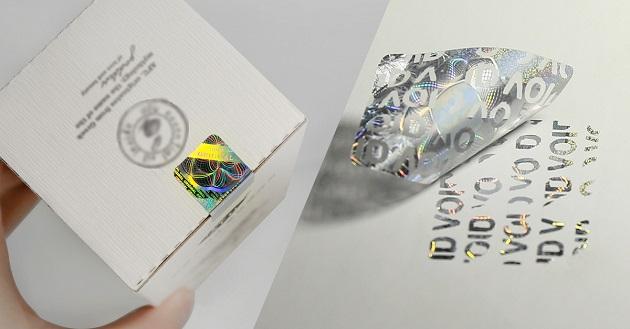
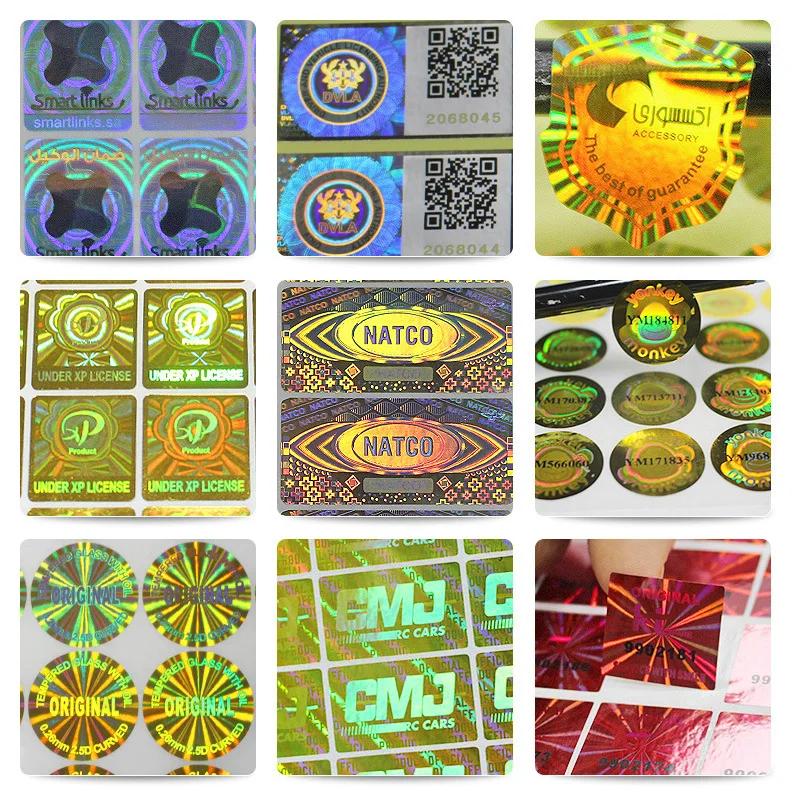
- Holographic layers for visual anti-counterfeit effects
- Paper-based labels for cost-effective applications
Security features often include:
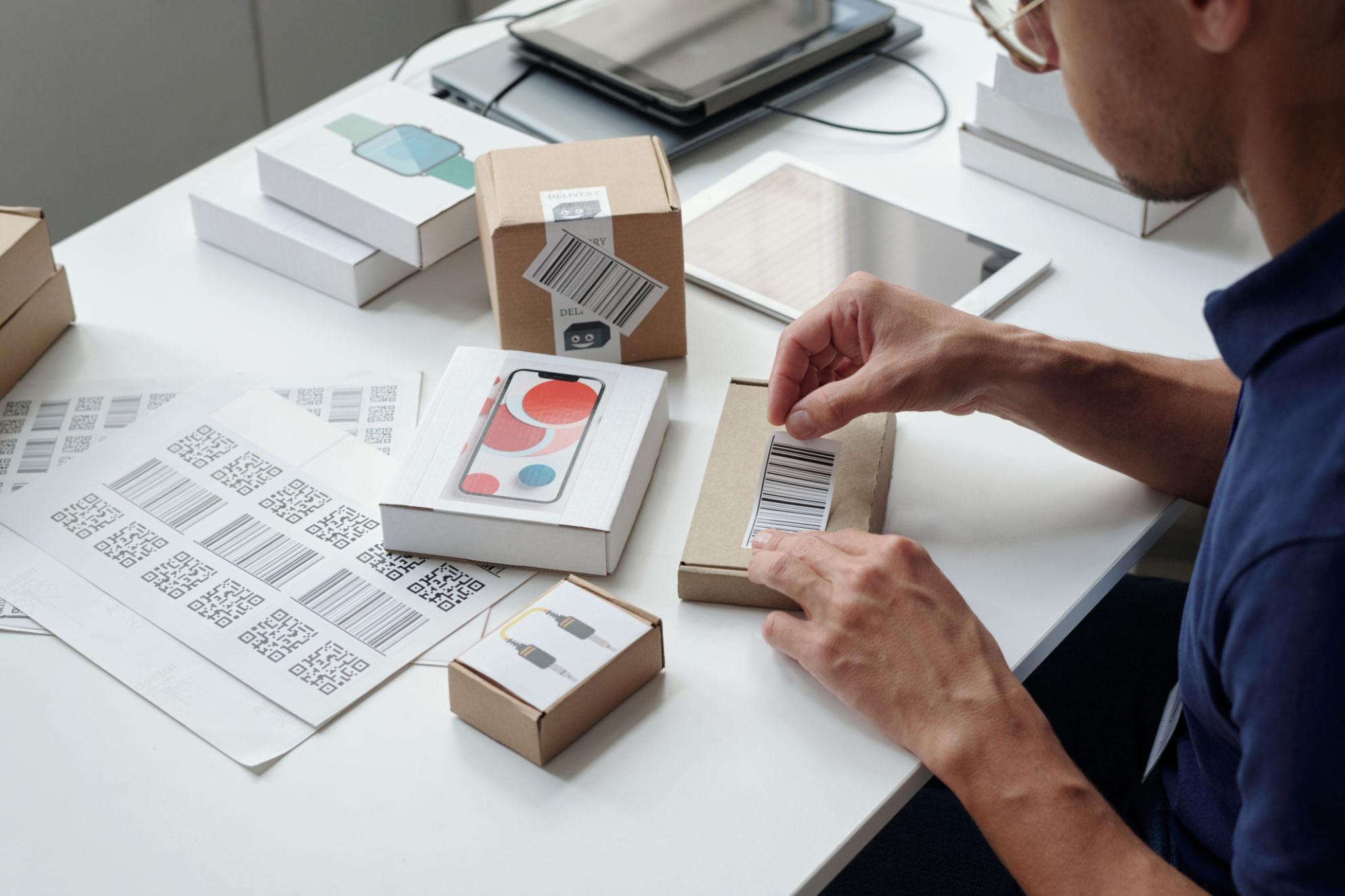
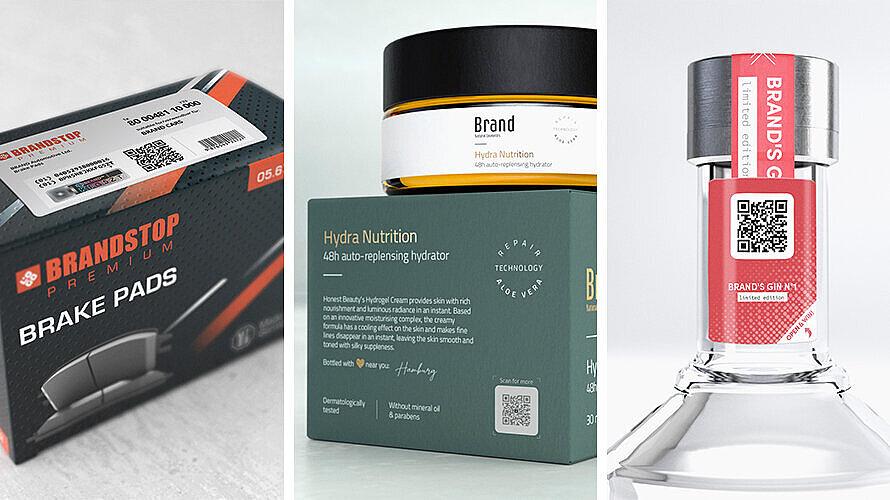
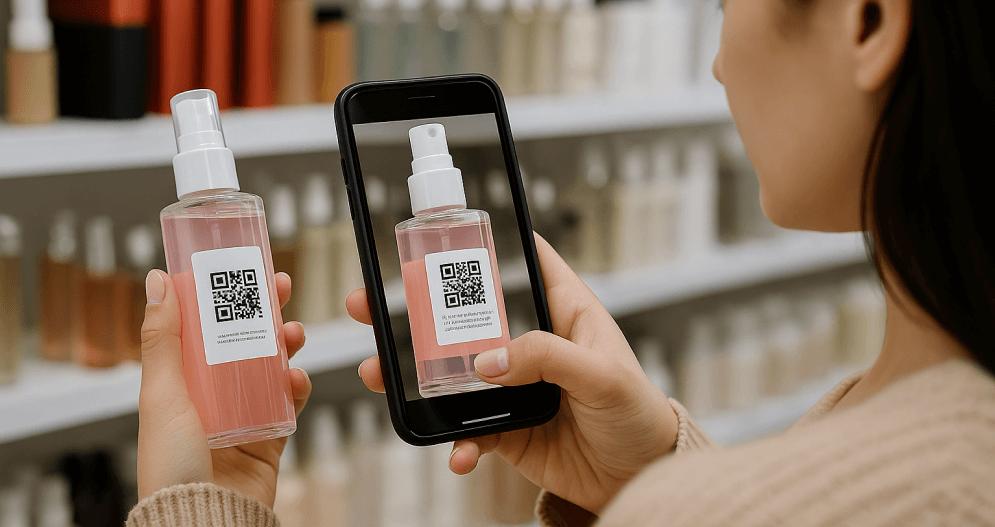
- QR codes for consumer verification
- Serialized numbers for tracking
- UV ink for hidden authentication
- VOID or tamper-evident layers for seal protection
Adhesive systems must also be carefully selected:
- Strong bonding for glass and plastic packaging
- Clean removal or controlled damage depending on application
- Stability under humidity and temperature changes
According to OECD, counterfeit cosmetics are one of the fastest-growing categories in global trade, making authentication technologies increasingly important for brand protection.
Why Cosmetic Brands Require Application-Specific Solutions
Unlike industrial products, cosmetics involve direct consumer interaction. Labels must not only function technically, but also align with brand image.
At HX, when designing anti counterfeit labels for cosmetics, we consider:
- Packaging materials (glass bottles, plastic containers, tubes)
- Consumer handling behavior
- Shelf-life and storage conditions
- Visual integration with branding
We also evaluate:
- Tamper visibility without damaging aesthetics
- Compatibility with high-end packaging design
- Multi-layer security integration
This ensures that protection does not compromise product presentation.
Why Basic Labels Are No Longer Enough
Many brands still rely on simple labels, assuming they provide sufficient protection. However, modern counterfeiting techniques quickly expose their limitations.
| Label Type | Anti-Counterfeit Strength | Consumer Verification | Risk Level |
|---|---|---|---|
| Standard Label | Low | None | High |
| Single Security Feature | Medium | Limited | Medium |
| Multi-Layer Security Label | High | Strong | Low |
Effective anti counterfeit labels for cosmetics combine multiple technologies, making replication significantly more difficult.
Case Insight: When Counterfeit Products Reached Retail Channels
A cosmetics brand approached HX after discovering counterfeit versions of their products in overseas markets.
Initial problems included:
- Replicated packaging and labeling
- Lack of consumer verification tools
- Difficulty identifying genuine products
HX developed a layered solution:
- Holographic label for visual authentication
- QR code linked to verification system
- UV ink for internal inspection
- Tamper evident seal integrated into packaging
After implementation:
- Consumers could verify products instantly
- Counterfeit detection improved significantly
- Brand trust was restored in affected markets
This case highlights how combining visible and invisible features strengthens protection.
What Buyers Should Evaluate When Choosing a Solution
When sourcing anti counterfeit labels for cosmetics, brands should evaluate:
- Compatibility with packaging design
- Integration of multiple security features
- Ease of consumer verification
- Durability under storage conditions
- Consistency across production batches
According to Packaging World, layered security approaches—combining visible and covert features—are significantly more effective than single-feature solutions.
Frequently Asked Questions
Q: Are anti counterfeit labels visible to consumers?
A: Some features are visible (holograms), while others (UV ink) require tools for verification.
Q: Can labels be customized to match brand design?
A: Yes, security features can be integrated without affecting aesthetics.
Q: Do anti counterfeit labels increase packaging costs?
A: Yes, but they significantly reduce risks associated with counterfeit products.
A More Reliable Approach to Cosmetic Brand Protection
Anti counterfeit labels for cosmetics are no longer optional—they are part of a comprehensive brand protection system. As counterfeit methods evolve, labeling solutions must also become more advanced.
At HX, we combine material engineering, security technologies, and customization capabilities to deliver labeling solutions that protect both products and brand identity.
Strengthening Cosmetic Product Security Without Compromising Design
Cosmetic products require a balance between visual appeal and functional security. When properly designed, security labels enhance both protection and brand experience.
Explore Anti-Counterfeit Label Solutions for Cosmetics
To see how different security features such as holograms, QR codes, and tamper-evident structures are applied in cosmetic packaging, you can explore our product range here:
👉 https://www.hxsecuritylabel.com/products
Discuss Your Cosmetic Label Requirements with HX
If you are evaluating anti counterfeit labels for cosmetics or facing challenges with counterfeit products, it may be time to review your labeling strategy. You can reach out via:
👉 https://www.hxsecuritylabel.com/contact-us