
When Customers Can’t Tell If Your Product Is Real
In today’s market, authenticity is no longer obvious.
Customers receive a product that looks identical to the original—same packaging, same label design, even the same barcode. Yet uncertainty remains. Is it genuine? Can it be trusted? This doubt directly affects purchasing decisions and long-term brand loyalty.
For brands, the problem is even bigger:
- Counterfeit products dilute brand value
- Customer complaints increase
- Distribution channels become harder to control
At HX, we’ve seen how brands struggle when authentication is unclear. The issue is not the lack of labeling—it’s the lack of verifiable labeling. This is where properly designed product authentication labels for brands become essential for building trust and ensuring authenticity.
Materials and Authentication Technologies Behind Brand Labels
Authentication labels must combine visual appeal with functional security. They need to integrate seamlessly into branding while providing reliable verification.
Common materials include:
- PET films for durability and premium appearance
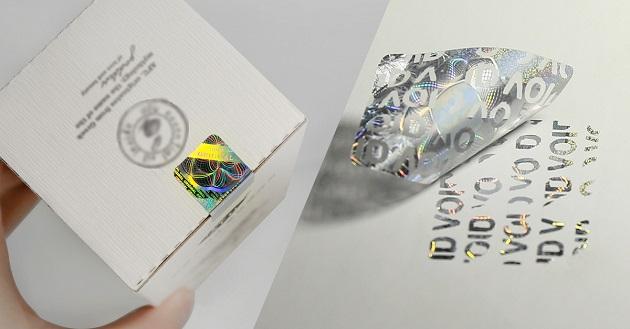
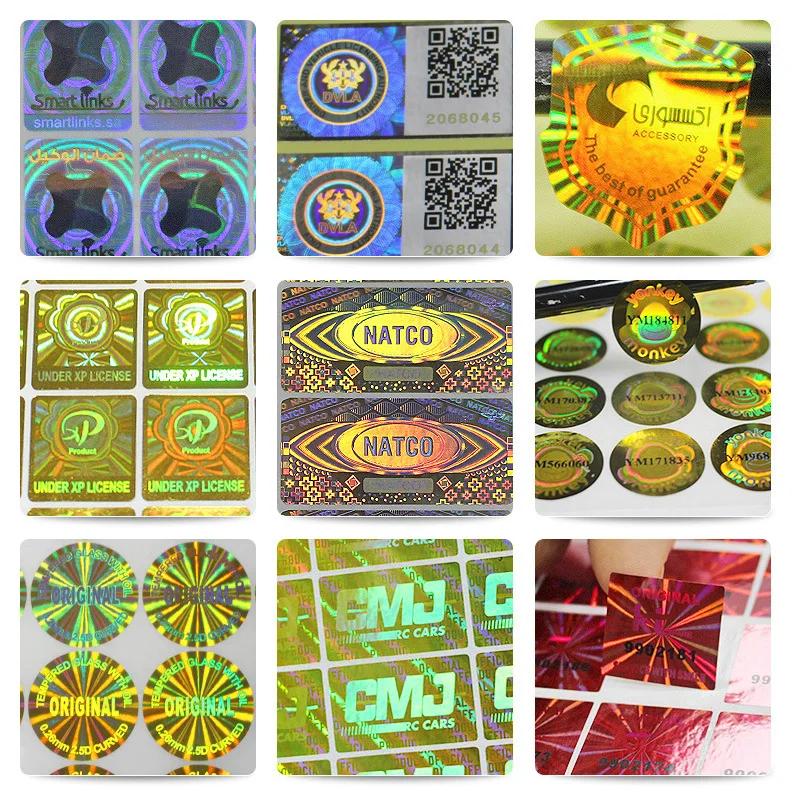
- Holographic layers for visual authentication
- Multi-layer constructions for advanced protection
Authentication technologies often include:
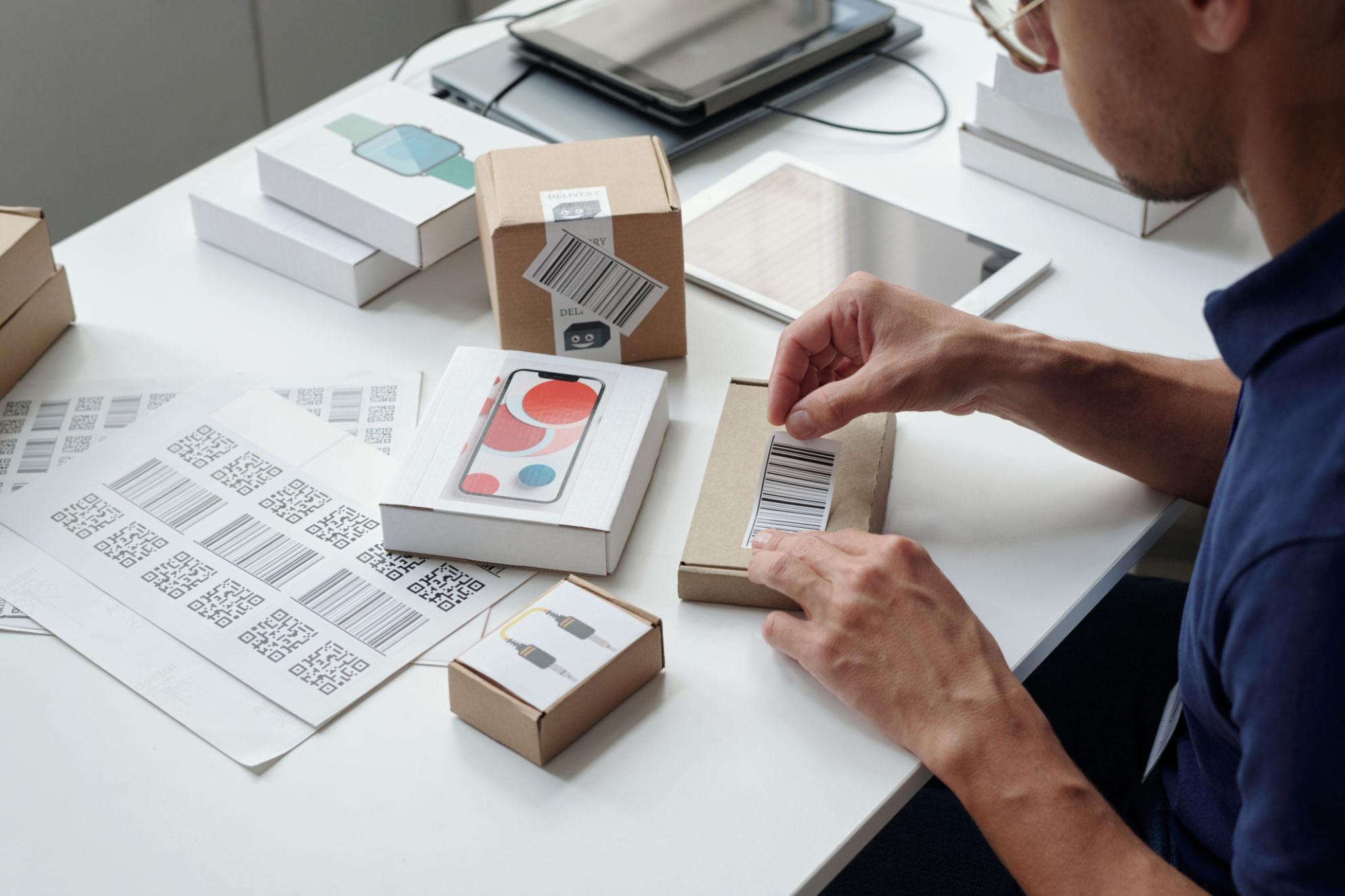
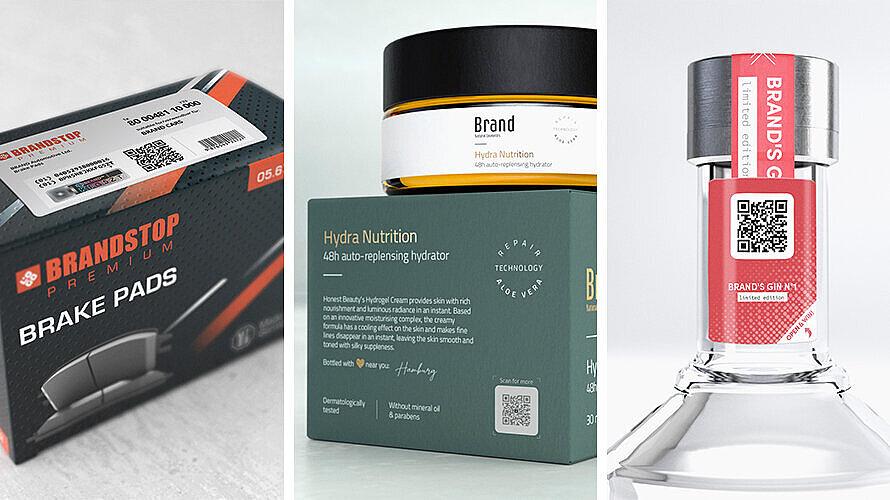
- QR codes for instant product verification
- Serialized numbers for unique identification
- UV ink for hidden security features
- Tamper evident layers for packaging integrity
Adhesive systems must ensure:
- Stable bonding across packaging materials
- Durability during shipping and storage
- Controlled removal behavior when needed
According to OECD, counterfeit goods continue to grow globally, making authentication systems critical for brand protection strategies.
Why Brand Authentication Requires More Than a Single Feature
A single authentication feature—such as a QR code or hologram—can be effective initially. However, over time, these features may be studied and replicated.
At HX, when designing product authentication labels for brands, we focus on combining multiple layers of protection:
- Visible features for consumer confidence
- Hidden features for internal verification
- Data-driven features for traceability
We also evaluate:
- Consumer interaction with labels
- Integration with digital verification systems
- Long-term durability across supply chains
This layered approach makes authentication more reliable and harder to replicate.
Why Basic Authentication Labels Fail Over Time
Many brands start with simple authentication solutions. However, these often become less effective as counterfeit methods evolve.
| Label Type | Authentication Strength | Consumer Verification | Risk Level |
|---|---|---|---|
| Basic Label | Low | None | High |
| Single Feature Label | Medium | Limited | Medium |
| Multi-Layer Authentication Label | High | Strong | Low |
Properly engineered product authentication labels for brands provide both immediate verification and long-term protection.
Case Insight: Restoring Brand Trust Through Authentication
A consumer goods brand approached HX after noticing a rise in counterfeit products in international markets.
Challenges included:
- Customers unable to verify authenticity
- Replicated packaging and labels
- Loss of trust in distribution channels
HX implemented a solution:
- QR code authentication system linked to a verification database
- Holographic label for visual security
- UV ink for internal inspection
- Serialized numbering for tracking
After implementation:
- Customers could verify products instantly
- Counterfeit detection improved significantly
- Brand trust recovered across key markets
This case demonstrates how effective authentication systems strengthen both protection and customer confidence.
What Buyers Should Evaluate When Choosing a Solution
When selecting product authentication labels for brands, buyers should consider:
- Integration with brand design
- Ease of consumer verification
- Strength of anti-counterfeit protection
- Durability across supply chains
- Scalability for large production volumes
According to Packaging World, combining visible and invisible security features significantly improves authentication effectiveness.
Frequently Asked Questions
Q: Can customers verify products using authentication labels?
A: Yes, through QR codes or digital verification systems.
Q: Are authentication labels visible or hidden?
A: Both—visible features build trust, while hidden features support internal verification.
Q: Can authentication labels be customized?
A: Yes, including design, materials, and integrated technologies.
A More Reliable Approach to Brand Authentication
Product authentication labels for brands are more than packaging elements—they are essential tools for protecting identity, ensuring authenticity, and maintaining customer trust.
At HX, we combine material engineering, security technologies, and customization expertise to deliver authentication solutions that perform reliably across global markets.
Strengthening Brand Trust Through Better Authentication Design
In a market where authenticity is constantly challenged, brands need labeling systems that go beyond appearance. Properly designed authentication labels create confidence at every stage—from production to consumer interaction.
Explore Brand Authentication Label Solutions
To see how different authentication technologies and label structures are applied across industries, explore our product range here:
👉 https://www.hxsecuritylabel.com/products
Discuss Your Brand Protection Needs with HX
If you are evaluating product authentication labels for brands or facing challenges with counterfeit products, you can reach out via:
👉 https://www.hxsecuritylabel.com/contact-us