
Counterfeit Liquor Is a Global Risk—Not Just a Brand Problem
Across many markets, counterfeit alcohol has evolved far beyond simple imitation bottles. Today, the most common forms of fraud involve refilling genuine bottles, reusing labels, or diverting products across regions with different pricing or regulations.
These practices not only damage brand reputation but also create public health risks. The World Health Organization (WHO) has repeatedly warned that counterfeit alcohol can contain toxic substances such as methanol, which has caused poisoning incidents in several regions. According to the WHO’s global alcohol safety reports, illicit alcohol accounts for a significant share of consumption in some markets and presents serious safety concerns.
https://www.who.int
Because of these risks, modern spirits brands increasingly rely on anti counterfeit liquor label systems that combine tamper evidence, serialization, and traceability.
Huaxin addresses this challenge by designing security labels that are not merely decorative elements but controlled security components, engineered to prevent reuse, expose tampering, and support supply-chain verification.
Why Traditional Liquor Labels Fail to Prevent Counterfeiting
To understand why counterfeit liquor persists, it is important to examine how traditional labeling approaches fail under real-world conditions.
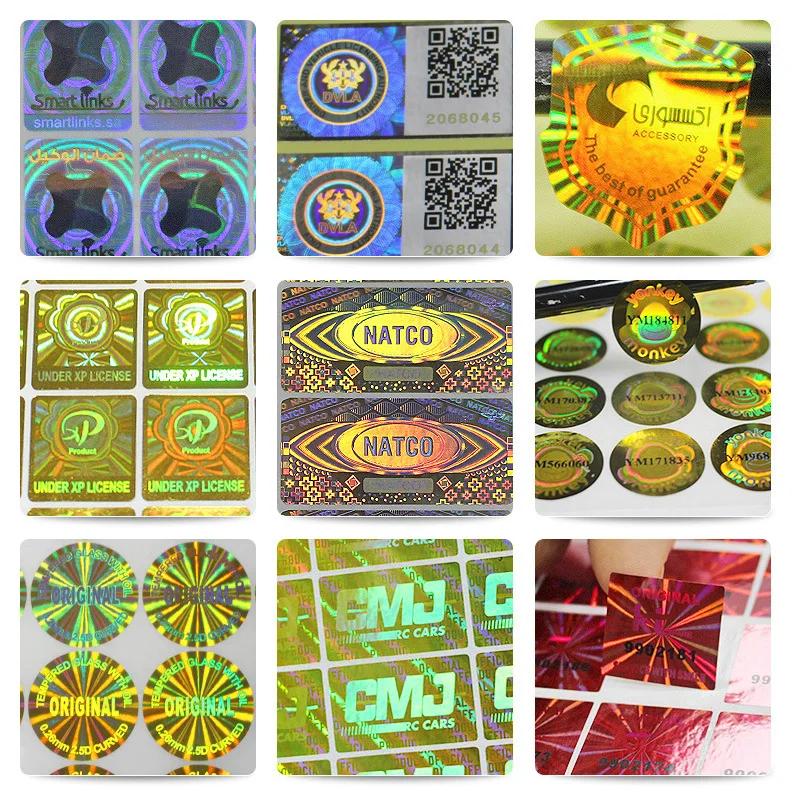
Many conventional labels focus on aesthetics—metallic foil, embossing, or holographic visuals—rather than behavior under tampering. While visually impressive, these features often provide little resistance against common fraud tactics.
Typical failure scenarios include:
-
Labels removed cleanly and reused on counterfeit bottles
-
Bottle refilling where the label remains intact
-
Lack of product-level traceability
-
Security features that inspectors cannot verify easily
According to research on counterfeit goods by the Organisation for Economic Co-operation and Development (OECD), the global trade in counterfeit products—including alcohol and beverages—represents a major economic and safety concern.
https://www.oecd.org
This is why modern anti counterfeit liquor label solutions focus on tamper behavior and traceability, not simply appearance.
How Anti Counterfeit Liquor Labels Prevent Bottle Reuse
One of the most critical design objectives in spirits security is preventing bottle reuse.
Counterfeiters frequently collect empty bottles, refill them with lower-quality alcohol, and reapply original-looking labels. Without structural protection, consumers and retailers cannot easily detect the fraud.
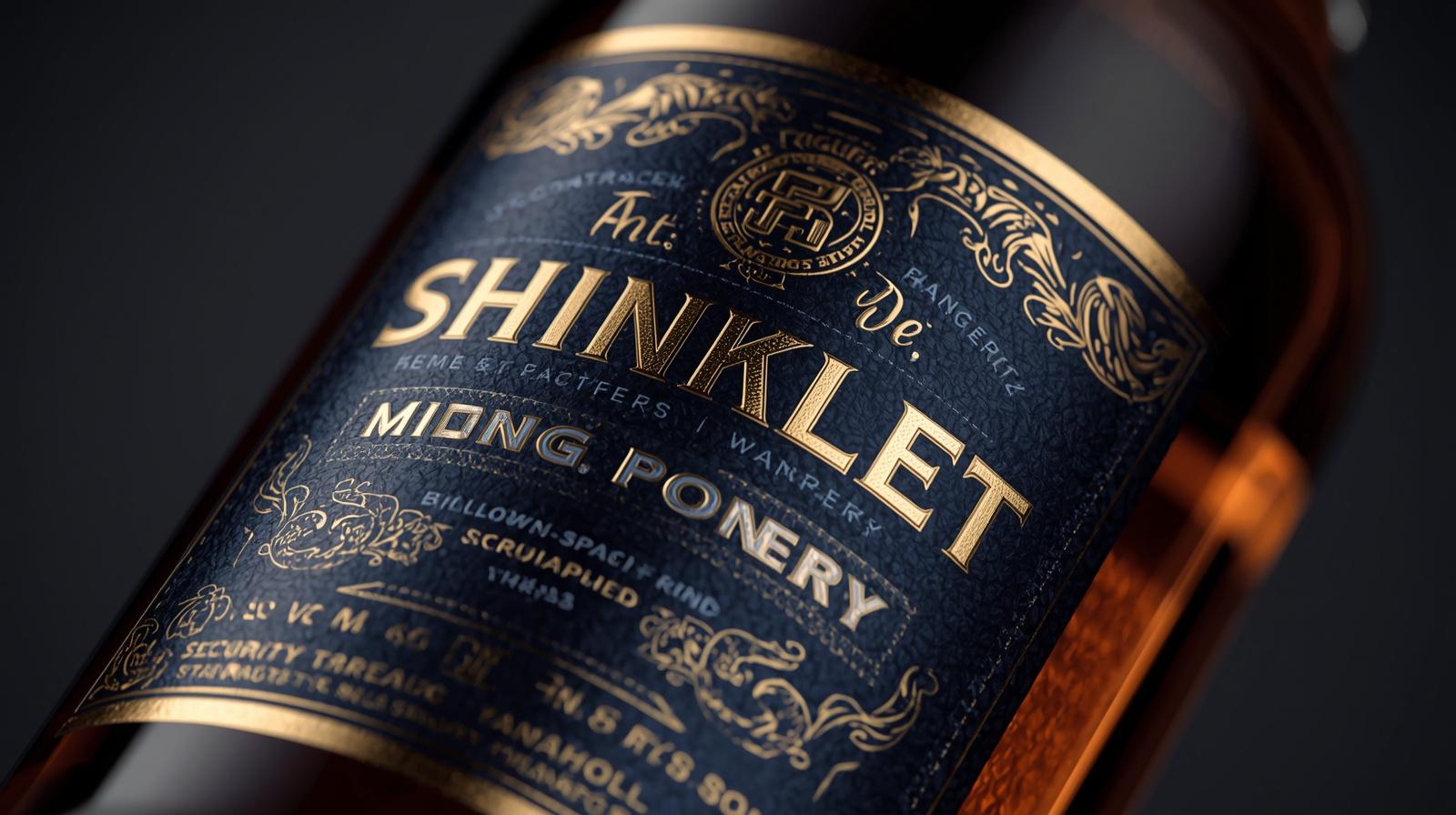
Huaxin designs anti counterfeit liquor labels with tamper-evident structures that respond visibly when the bottle is opened.
Typical design approaches include:
-
Neck seal labels that bridge the bottle cap and body
-
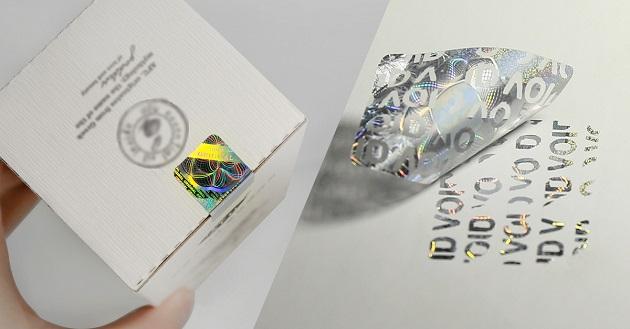
VOID transfer structures that reveal hidden messages after removal
-
Destructible films that fragment during peeling
-
Adhesive systems that leave residue patterns on the bottle
These mechanisms ensure that once a bottle has been opened, the label cannot return to its original state.
Structural Design: Turning Labels Into Security Seals
Another critical aspect of liquor security labeling is structural integration with the packaging.
Rather than placing labels only on the bottle body, Huaxin often designs security seal structures that interact with the opening mechanism.
Common structures include:
-
Bottle neck seals
These labels wrap over the cap and tear when opened. -
Cap-bridging tamper strips
Once broken, the bottle cannot be resealed without visible damage. -
Dual-layer VOID labels
These reveal a hidden message if lifted or repositioned.
Each structure ensures that normal product use is simple for consumers—but tampering becomes impossible to hide.
Material Engineering for Liquor Packaging Conditions
Liquor bottles travel long distances and encounter varied environmental conditions.
Temperature fluctuations, condensation, and handling stress can all affect label performance.
Huaxin selects materials based on packaging realities, including:
-
Glass bottle compatibility
-
Resistance to alcohol vapor and condensation
-
Adhesives suitable for curved surfaces
-
Durable films that maintain integrity during transport
These materials must also remain visually consistent across large production batches, ensuring that every bottle presents the same level of security and brand presentation.
Serialization and Track-and-Trace for Liquor Authentication
Beyond physical tamper protection, modern spirits brands increasingly rely on serialization and digital traceability.
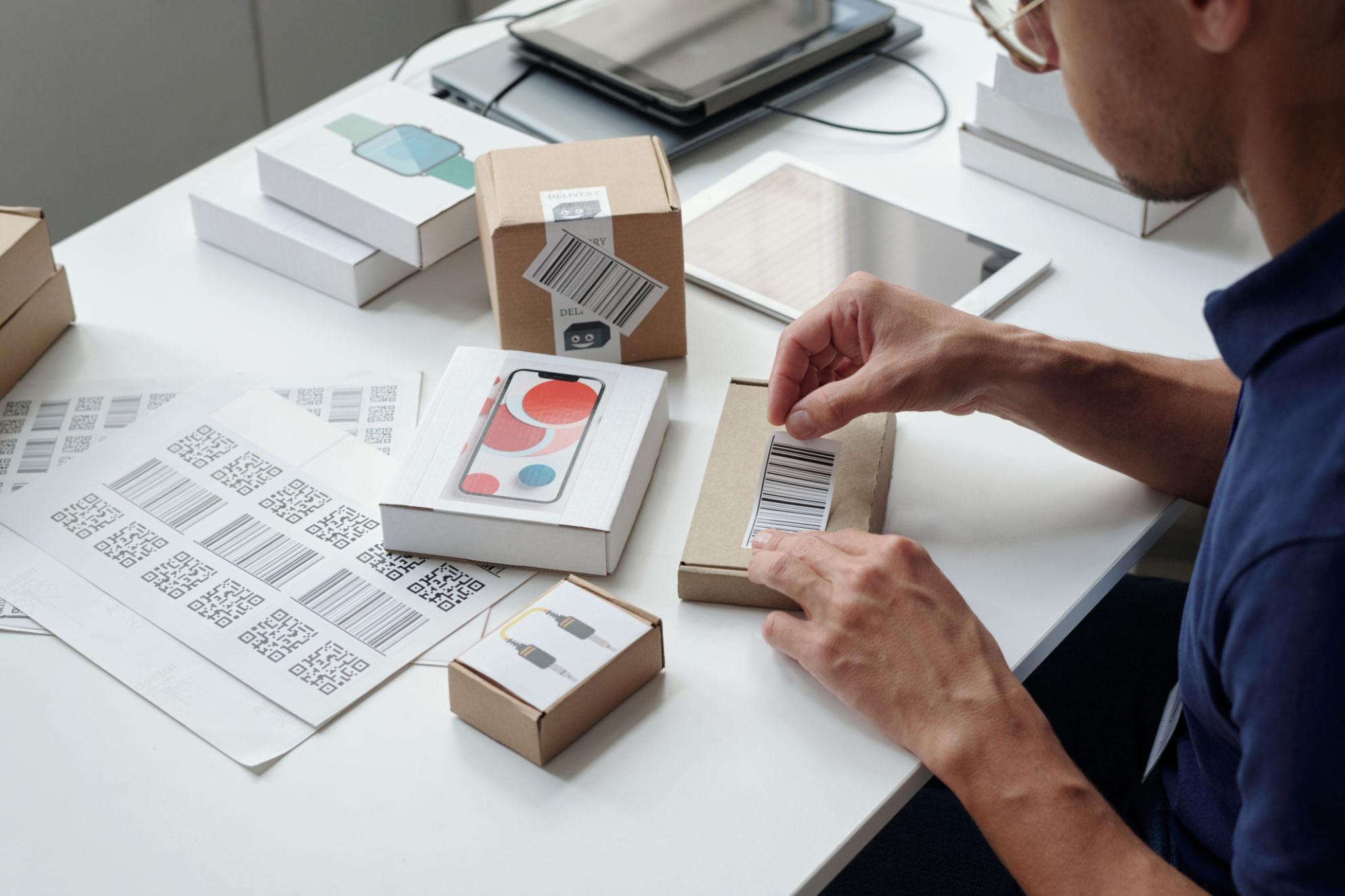
Serialized anti counterfeit liquor labels allow each bottle to carry a unique identity.
Typical features include:
-
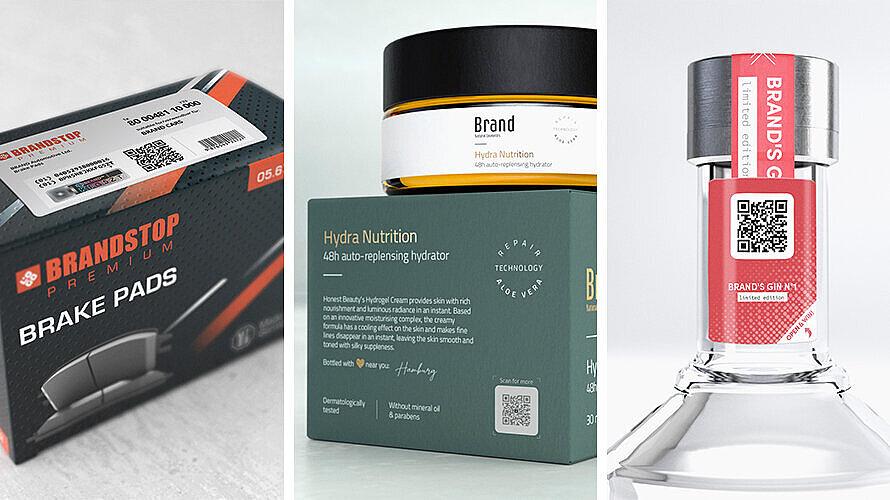
Unique QR codes or barcodes
-
Batch and production identifiers
-
Integration with brand authentication platforms
-
Supply chain traceability for distributors
When implemented properly, this system allows brands to detect irregularities such as duplicated labels, unauthorized distribution channels, or suspicious product movement.
Traceability systems are widely supported by international anti-counterfeiting initiatives and brand protection programs.
Comparison: Standard Liquor Label vs Security Label System
| Feature | Standard Label | Anti Counterfeit Liquor Label |
|---|---|---|
| Bottle reuse protection | Weak | Strong |
| Tamper visibility | Limited | Immediate |
| Traceability | None | Serialized |
| Supply chain verification | Not possible | Supported |
| Consumer authentication | Rare | Available |
This difference transforms a label from a decorative element into a brand protection system.
Industries Where Liquor Security Labels Are Essential
Anti counterfeit liquor label systems are widely used across the spirits industry, including:
-
Premium whisky brands
-
Vodka and gin manufacturers
-
Wine exporters
-
Regional spirits producers
-
Duty-free and travel retail products
In these markets, product value and brand identity make counterfeit prevention especially critical.
How Huaxin Develops Anti Counterfeit Liquor Label Solutions
Huaxin approaches liquor security labeling as a technical design process, not a catalog product.
The development workflow typically includes:
-
Risk analysis for bottle reuse or diversion
-
Packaging structure evaluation
-
Material and adhesive selection
-
Tamper-evident structure design
-
Secure printing and serialization
-
Production validation under ISO 14298 secure printing standards
This process ensures that labels behave consistently under real supply chain conditions.
Frequently Asked Questions
Can an anti counterfeit liquor label prevent bottle refilling completely?
While no system is absolute, tamper-evident neck seals and destructible labels make reuse highly visible and commercially impractical.
Do security labels affect the appearance of premium liquor packaging?
No. Modern security labels can integrate holographic finishes, embossing, and brand artwork while still providing protection.
Are serialized liquor labels necessary for small brands?
Serialization is increasingly recommended, especially for products distributed internationally.
Liquor Security Labels Must Work Where Counterfeiting Happens
Counterfeit liquor does not occur in laboratories—it occurs in bars, shops, and distribution warehouses.
That is why effective anti counterfeit liquor labels must function in real supply chains, under real handling conditions, and in front of real consumers.
Huaxin develops security labels that combine tamper-evident structures, controlled materials, and traceable identities, turning each bottle into a protected and verifiable product.
To explore custom liquor label solutions, visit
https://www.hxsecuritylabel.com
or contact the Huaxin team directly at
https://www.hxsecuritylabel.com/contact-us.