
When Counterfeiters Can Copy Everything Visible
In many industries today, counterfeiters no longer rely on crude packaging.
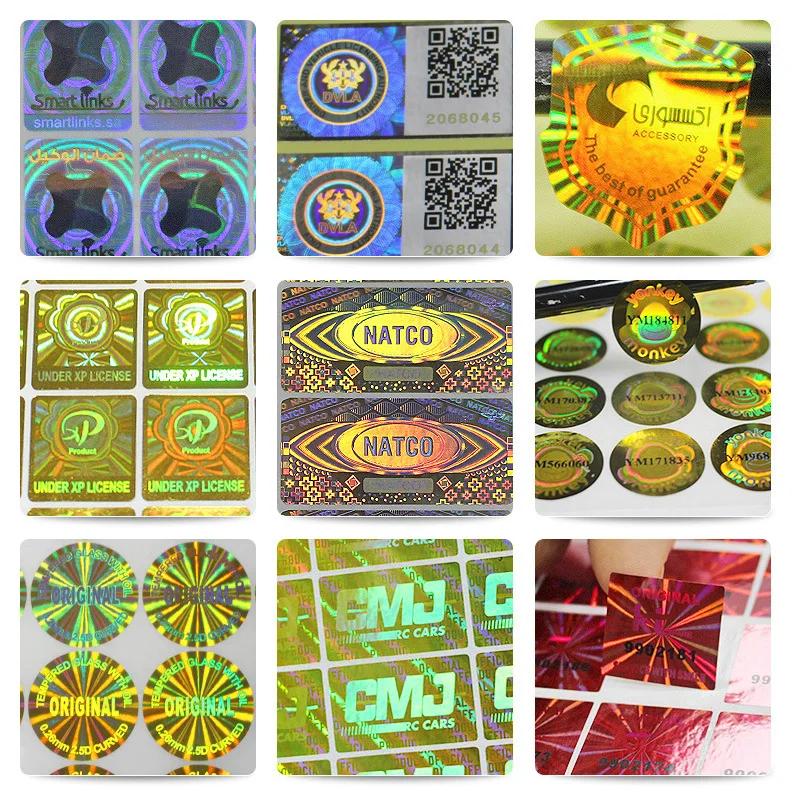
They replicate labels with surprising accuracy—colors, logos, foil effects, even holographic visuals.
If a security feature is clearly visible, counterfeiters eventually learn how to mimic it.
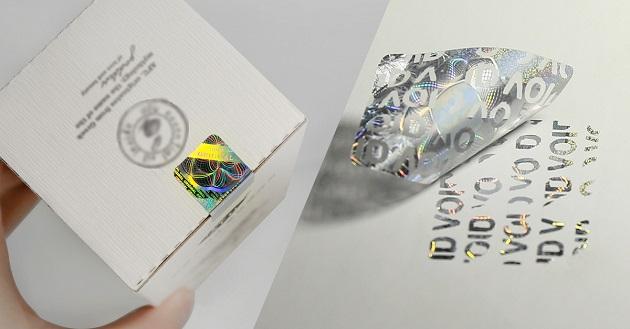
This is where the hidden image security sticker becomes valuable. Instead of displaying its authentication feature openly, the label contains a concealed optical element that appears only under specific angles, polarized light, or optical decoding patterns.
Huaxin designs these labels to ensure that authentication remains controlled and difficult to reverse-engineer, while still allowing distributors and inspectors to verify products quickly.
The Real Problem: Security Features That Are Too Easy to Study
Before explaining how hidden image stickers work, it is important to understand why traditional security labels often fail.
Most packaging security elements rely on visible technologies:
-
metallic foils
-
holographic patterns
-
embossed graphics
-
high-resolution printing
While these features improve packaging aesthetics, they also expose the security mechanism directly.
Once counterfeiters observe the feature, they can attempt to reproduce it using modern printing tools.
According to research published by the OECD on counterfeit trade, visual packaging replication is one of the most common techniques used in product counterfeiting.
https://www.oecd.org
Hidden authentication technologies shift the advantage back to the brand owner.
What Makes a Hidden Image Security Sticker Different
A hidden image security sticker integrates covert optical technology into a printable label structure.
The hidden image cannot be seen under normal viewing conditions.
It becomes visible only when the correct optical interaction occurs.
Typical verification methods include:
-
angled illumination
-
polarized filters
-
magnification tools
-
smartphone authentication lighting
Because the authentication mechanism is concealed, counterfeiters cannot easily determine what they need to reproduce.
Optical Structure Behind Hidden Image Technology
Hidden image labels rely on precisely engineered microstructures.
Huaxin typically integrates three optical layers within the security film.
1. Micro-structured diffraction layer
This layer contains nano-scale grooves that manipulate light reflection.
Typical resolution range:
| Optical Parameter | Typical Value |
|---|---|
| Diffraction groove density | 1,800 – 3,500 lines/mm |
| Optical depth | 0.2 – 0.6 µm |
| Viewing angle activation | 15° – 45° |
| Image contrast change | 60% – 85% |
These structures allow hidden images to appear when light hits the label at a controlled angle.
2. Image masking layer
This layer hides the optical pattern under standard lighting conditions.
Technical characteristics include:
-
selective reflective coatings
-
patterned transparency layers
-
controlled optical interference
The result is a label that appears normal until the correct viewing condition is applied.
3. Protective laminate layer
Because optical structures are extremely fine, they must be protected from abrasion.
Huaxin uses high-clarity laminates with properties such as:
| Material Property | Typical Specification |
|---|---|
| Film thickness | 20 – 36 µm |
| Optical transparency | ≥ 92% |
| Scratch resistance | 2H – 3H hardness |
| UV resistance | 3 – 5 years outdoor stability |
These layers ensure the hidden image remains functional throughout product distribution.
Adhesive Systems Designed to Prevent Label Reuse
Security labels must also prevent transfer between products.
Huaxin hidden image security stickers integrate tamper-responsive adhesive systems designed for packaging surfaces such as glass, plastic, and coated paper.
Adhesive performance characteristics typically include:
| Adhesion Parameter | Performance Range |
|---|---|
| Initial tack | 10 – 14 N/25mm |
| 24-hour adhesion | 18 – 24 N/25mm |
| Peel failure mode | Destructive |
| Residue pattern | Visible tamper indication |
If someone attempts to remove the sticker, the optical layer is damaged or the adhesive leaves a trace.
This prevents label reuse in counterfeit products.
Manufacturing Process of Hidden Image Security Stickers
Producing covert optical security labels requires controlled manufacturing.
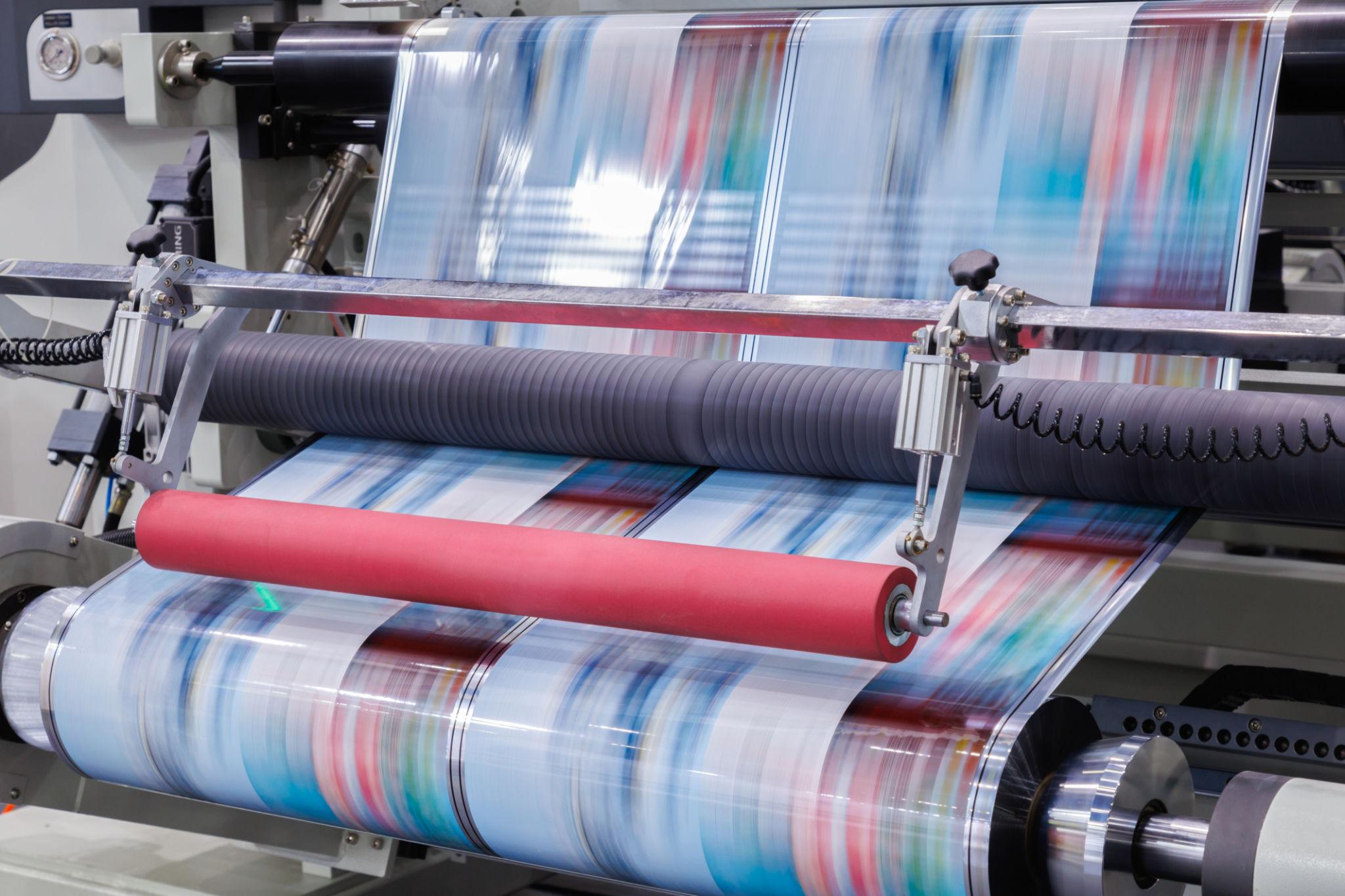
Huaxin uses a multi-stage process including:
-
Optical master design using laser interference systems
-
Electroforming of nickel shims for micro-structure replication
-
Embossing of optical patterns onto polymer films
-
Protective laminate application
-
Security printing and variable data integration
-
Precision die-cutting
These processes follow security printing guidelines similar to those used in banknote production.
The International Organization for Standardization (ISO) outlines secure printing practices used across document security industries.
https://www.iso.org
Industries Where Hidden Image Security Stickers Are Most Effective
Hidden image authentication is particularly useful where counterfeiters actively study packaging.
Common applications include:
-
pharmaceutical products
-
electronics components
-
cosmetics and skincare
-
premium spirits and wine
-
government tax stamps
In these sectors, covert security elements help regulators and distributors verify products without exposing the security mechanism publicly.
How Huaxin Designs Hidden Image Security Sticker Solutions
Huaxin approaches hidden image labels as integrated brand protection tools, not simply printed stickers.
Development typically includes:
-
Counterfeiting risk analysis
-
Optical security design tailored to the brand identity
-
Material and adhesive selection for packaging surfaces
-
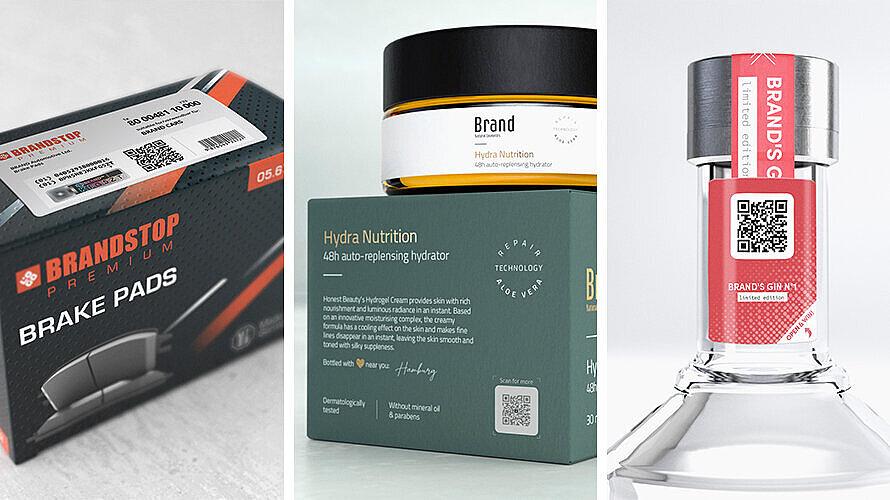
Integration with serialization or QR authentication
-
Production validation and quality inspection
This ensures the final security sticker works reliably across manufacturing, transport, and retail environments.
FAQ
Can hidden image security stickers be verified without special equipment?
Many designs allow verification through simple viewing angle changes or smartphone light.
Are hidden image stickers compatible with serialized QR codes?
Yes. Variable data printing can be integrated without affecting optical performance.
Do covert security features increase production costs significantly?
They add moderate cost compared with basic labels but provide much stronger counterfeit resistance.
Why Covert Authentication Is Becoming Essential
As counterfeiters gain access to better printing technology, visible security features alone are no longer sufficient.
Hidden image security stickers introduce a new layer of protection—one that counterfeiters cannot easily observe, analyze, or reproduce.
Huaxin develops hidden image security labels that combine micro-optical engineering, tamper-responsive materials, and scalable manufacturing, helping brands protect their products across global supply chains.
Learn more at
https://www.hxsecuritylabel.com
or contact the Huaxin team at
https://www.hxsecuritylabel.com/contact-us.