
When Single-Layer Labels Stop Being Enough
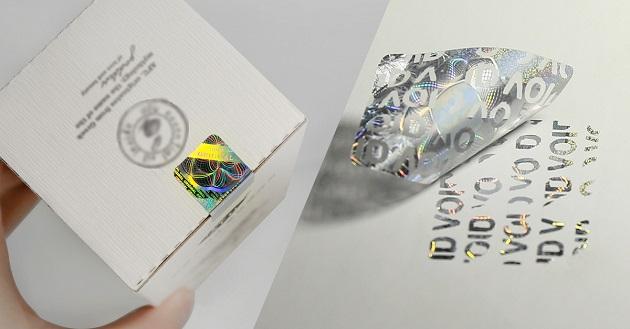
Many companies start with basic security labels—VOID stickers, destructible films, or simple authentication marks. At first, these solutions seem to work. But as products scale into broader markets, especially international distribution, limitations begin to appear.
Labels are replicated. Tamper signs are bypassed. Some security features become predictable over time. What once provided protection starts losing effectiveness.
This is where multilayer security labels become necessary.
At HX, we’ve seen how businesses transition from single-layer labeling to multi-layer systems after encountering repeated security gaps. A professional multilayer security labels manufacturer does not just add complexity—they design layered protection that is harder to replicate, harder to bypass, and more reliable in real-world conditions.
Multilayer Structures: How Security Is Built in Layers
Unlike standard labels, multilayer security labels combine multiple functional layers into one structure. Each layer serves a specific purpose, creating a system rather than a single point of protection.
Typical layer combinations include:
- Top layer: printed information or branding
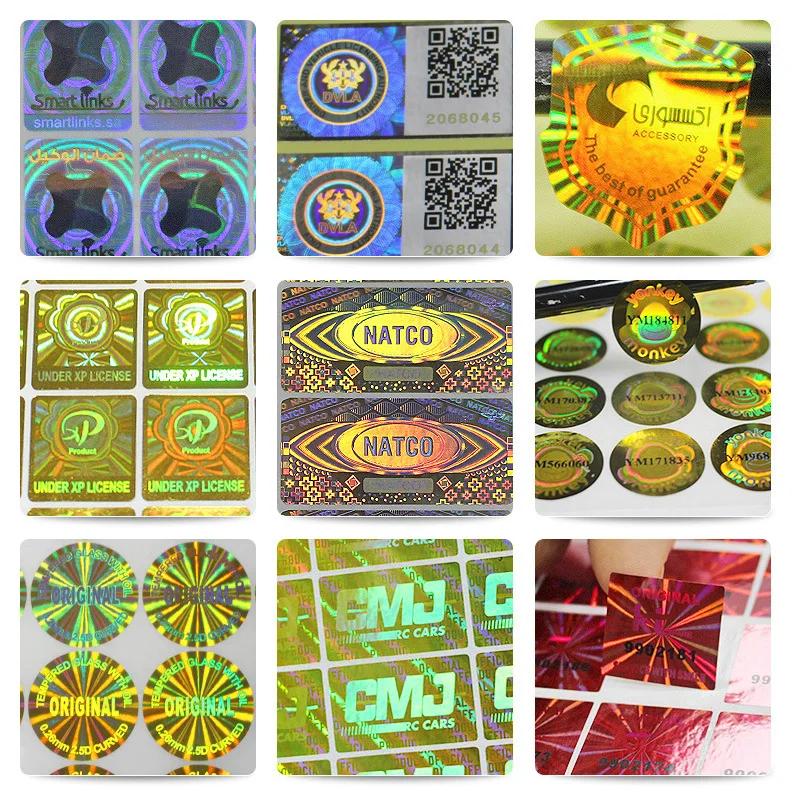
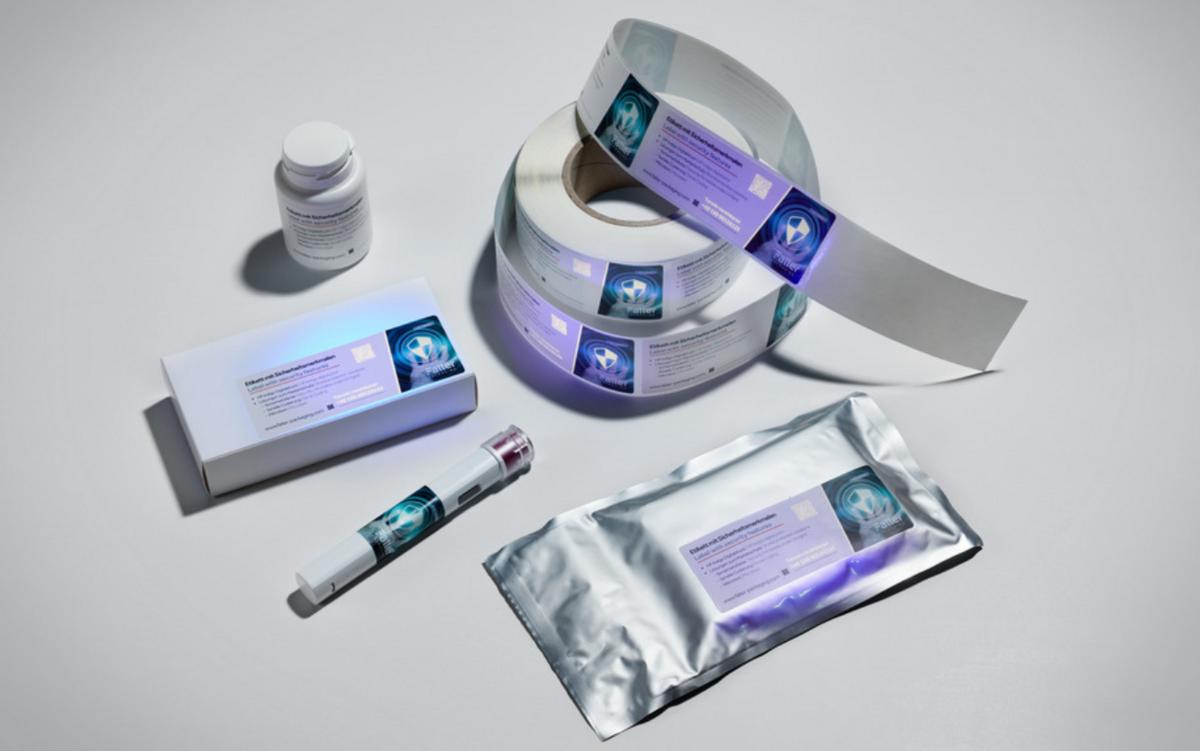
- Middle layer: security features (VOID, UV ink, microtext)
- Adhesive layer: tamper response and bonding
- Release layer: controlled separation during removal
Advanced configurations may include:
- Hidden messages revealed after peeling
- Dual-layer authentication (visible + invisible)
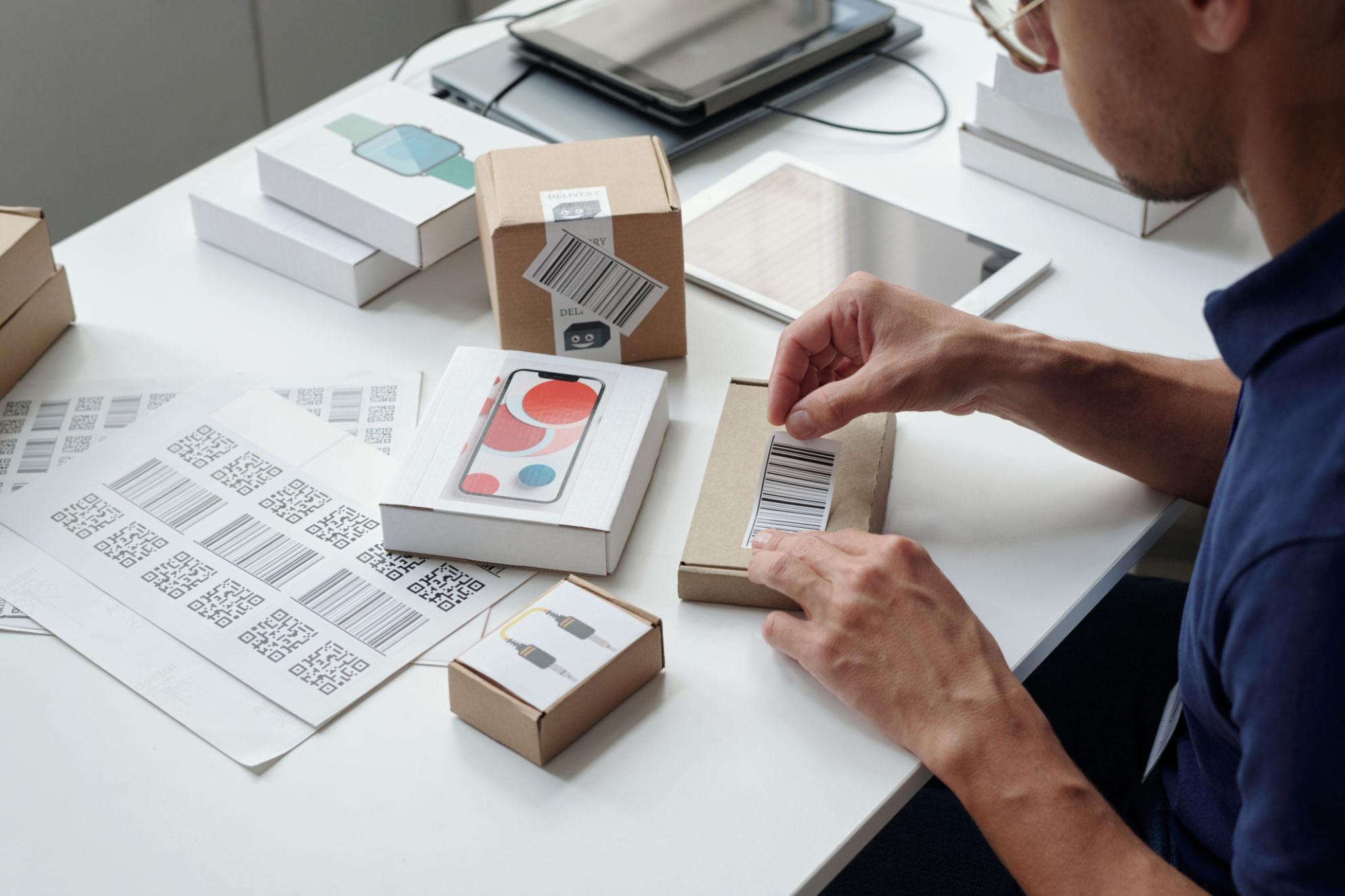
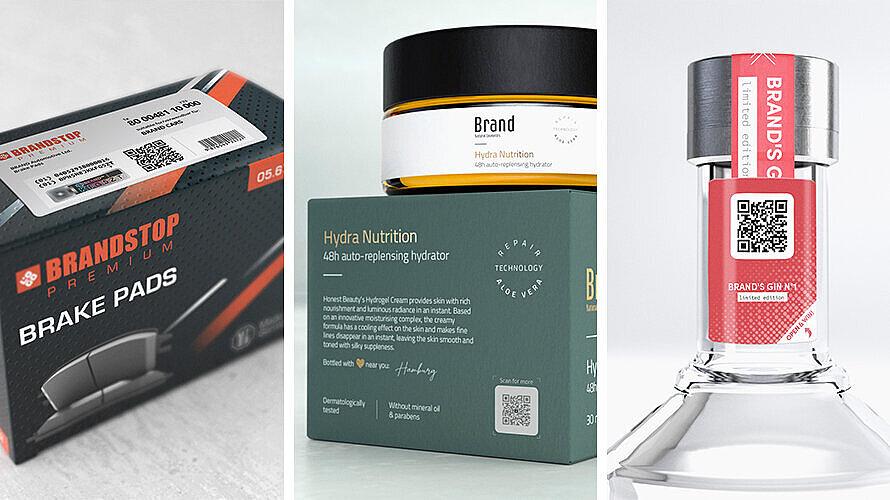
- Serialized or QR-coded tracking layers
According to Smithers, multi-layered labeling systems significantly increase resistance to counterfeiting because they require replication of both structure and function—not just appearance.
Why Manufacturing Expertise Is Critical for Multilayer Labels
Designing multilayer labels is not simply stacking materials together. The interaction between layers must be precisely controlled.
At HX, our multilayer security labels manufacturer approach includes:
- Layer bonding compatibility testing
- Controlled separation behavior design
- Adhesive calibration across multiple interfaces
- Alignment accuracy between visible and hidden features
Even small inconsistencies can affect performance:
- Layers separating too easily
- Hidden features not revealing properly
- Adhesive failing under stress
Experience ensures that all layers work together as intended—not independently.
Why Single-Layer Alternatives Often Fall Short
Many companies attempt to enhance security by adding features to a single-layer label. However, this approach has limitations.
| Label Type | Security Complexity | Anti-Counterfeit Strength | Reliability |
|---|---|---|---|
| Single-Layer Label | Low | Low | Medium |
| Enhanced Single-Layer | Medium | Medium | Medium |
| Multilayer Security Label | High | High | High |
A single feature can often be studied and replicated. A layered system requires significantly more effort to duplicate, increasing overall protection.
Choosing an experienced multilayer security labels manufacturer ensures that security is built into the structure—not added superficially.
Case Insight: When Counterfeit Products Passed Initial Inspection
A client in branded consumer goods faced a growing issue with counterfeit products entering secondary markets. Their existing labels included visible security features, but these were eventually copied.
Problems included:
- Replicated label appearance
- Difficulty distinguishing genuine products
- Increased brand risk
HX developed a multilayer solution:
- Top layer with branding and visible features
- Hidden VOID layer activated upon removal
- UV ink authentication embedded within the structure
- Serialized QR code for verification
After implementation:
- Counterfeit detection improved significantly
- Inspection processes became more efficient
- Brand protection strengthened across markets
This case demonstrates how layered security increases both complexity and reliability.
What Buyers Should Evaluate Before Choosing a Manufacturer
When sourcing multilayer security labels, buyers should evaluate more than design capability.
Key factors include:
- Layer integration and compatibility
- Controlled separation behavior
- Adhesive performance across layers
- Alignment precision of security features
- Consistency in mass production
According to Packaging World, layered security systems are most effective when each component is engineered to work together under real conditions—not just in theory.
Frequently Asked Questions
Q: What makes multilayer labels more secure?
A: They combine multiple security features into a single structure, making replication more difficult.
Q: Are multilayer labels suitable for all products?
A: They are best suited for high-value or high-risk products where advanced protection is required.
Q: Can multilayer labels include tracking features?
A: Yes, they often integrate QR codes, serial numbers, or other data systems.
A More Advanced Approach to Security Labeling
Multilayer security labels represent a shift from simple labeling to structured protection systems. They are designed not just to identify tampering, but to actively prevent replication and unauthorized access.
At HX, we integrate material science, adhesive engineering, and multi-layer design to deliver labels that perform consistently across complex supply chains.
Strengthening Product Security Through Layered Design
Security challenges continue to evolve, and labeling systems must evolve with them. Multilayer labels provide a more resilient approach by combining multiple defenses into a single structure.
Explore Multilayer and Advanced Security Label Solutions
If you want to understand how multilayer label structures are designed and applied across different industries, you can explore our product range here: https://www.hxsecuritylabel.com/products, where solutions are built around real application scenarios.
Discuss Your Security Label Requirements with HX
If you are evaluating a multilayer security labels manufacturer or facing limitations with single-layer solutions, it may be time to consider a more advanced approach. You can reach out via https://www.hxsecuritylabel.com/contact-us to discuss your requirements, and we can help you design a more secure and reliable labeling system.