
When Counterfeit Parts Enter the Supply Chain Without Detection
In the automotive industry, counterfeit parts are not always easy to identify.
Packaging looks authentic. Labels appear professionally printed. Even serial numbers may be copied. By the time issues are discovered—during installation or after product failure—the damage is already done.
This creates serious risks:
- Safety concerns for end users
- Warranty disputes
- Loss of brand credibility
- Regulatory complications
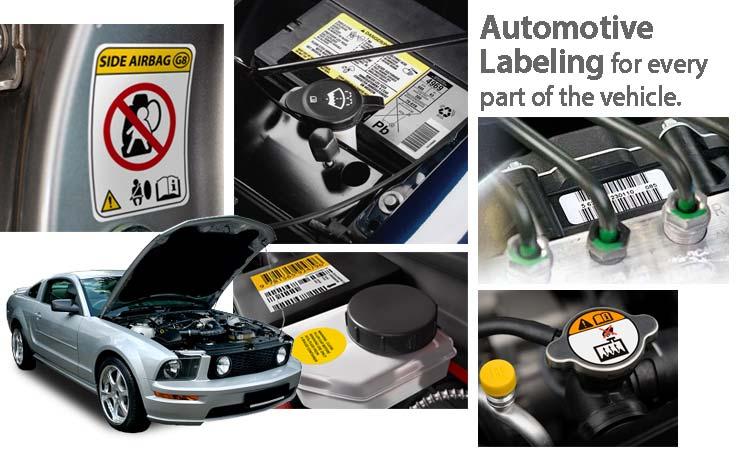
At HX, we’ve worked with automotive manufacturers and distributors facing these challenges across global markets. The issue is rarely the absence of labels—it’s the lack of effective, tamper-resistant labeling systems. This is why properly engineered security labels for automotive parts are essential for maintaining supply chain integrity.
Materials and Adhesive Systems for Automotive Applications
Automotive parts operate in demanding environments, requiring labels that can withstand extreme conditions.
Typical materials include:
- High-performance PET films for heat and chemical resistance
- Polyester labels for durability under stress
- Vinyl materials for flexibility and outdoor exposure
Adhesive systems must handle:
- High temperatures from engine components
- Exposure to oils, grease, and chemicals
- Long-term adhesion on metal and coated surfaces
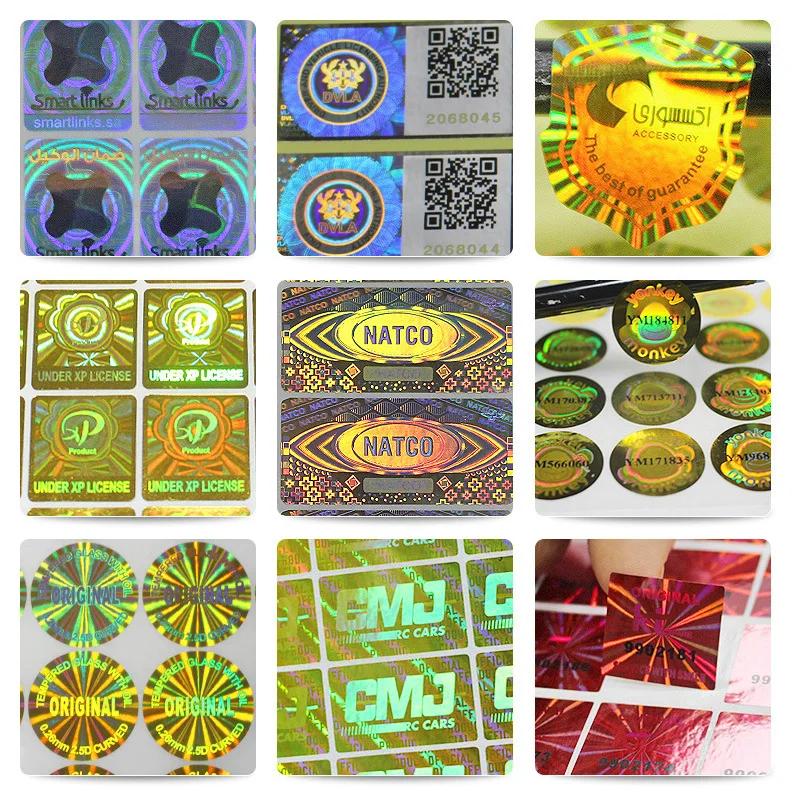
Security features often include:
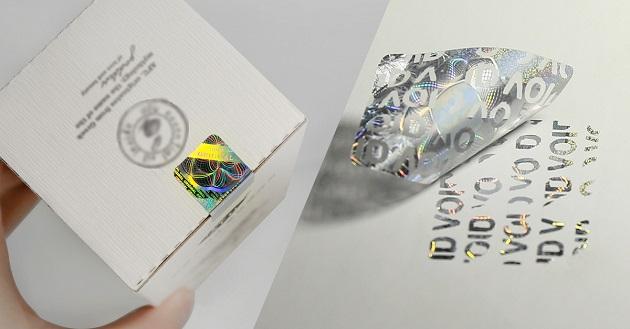
- VOID layers for tamper indication
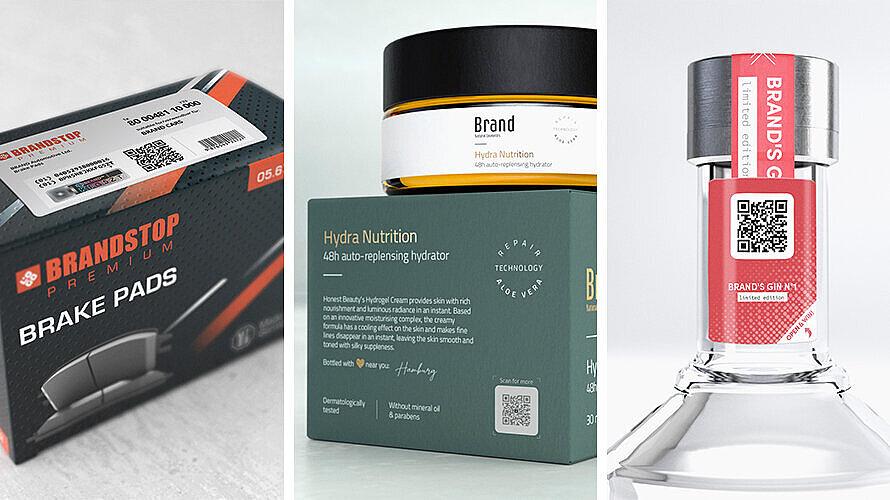
- QR codes or barcodes for tracking
- Laser-etched or printed serial numbers
- UV ink for hidden authentication
According to SAE International, traceability and component identification are critical for ensuring safety and quality across automotive supply chains.
Why Automotive Labeling Requires Application-Specific Expertise
Automotive parts vary widely—from small electronic modules to heavy mechanical components. Each application introduces different labeling challenges.
At HX, when designing security labels for automotive parts, we evaluate:
- Surface type (metal, coated, plastic)
- Operating temperature range
- Exposure to chemicals and abrasion
- Installation and handling processes
We also conduct:
- Adhesion testing under heat and chemical exposure
- Durability testing for long-term performance
- Tamper simulation for real-world conditions
This ensures labels remain functional throughout the lifecycle of the part.
Why Standard Labels Fail in Automotive Environments
Many companies initially use general-purpose labels, which often fail under automotive conditions.
| Label Type | Durability | Chemical Resistance | Risk Level |
|---|---|---|---|
| Standard Label | Low | Low | High |
| Industrial Label | Medium | Medium | Medium |
| Automotive Security Label | High | High | Low |
Failures typically include:
- Adhesive breakdown due to heat or oil exposure
- Labels fading or becoming unreadable
- Tamper features failing under stress
Properly engineered security labels for automotive parts address these challenges through specialized materials and adhesives.
Case Insight: Preventing Counterfeit Parts in Distribution Networks
An automotive parts distributor approached HX after discovering counterfeit products entering their supply chain.
Key issues included:
- Replicated packaging and labels
- Lack of reliable verification methods
- Difficulty tracing product origin
HX implemented a layered solution:
- Tamper evident VOID labels for visible protection
- Serialized QR codes for digital verification
- UV ink for internal authentication
- Durable materials resistant to environmental exposure
After implementation:
- Counterfeit detection improved significantly
- Traceability became more efficient
- Distributor confidence increased
This case demonstrates how integrated labeling systems strengthen supply chain control.
What Buyers Should Evaluate When Choosing a Solution
When sourcing security labels for automotive parts, buyers should consider:
- Resistance to heat, chemicals, and abrasion
- Compatibility with part materials
- Clear tamper evidence
- Integration with tracking systems
- Consistency across production batches
According to Packaging World, combining multiple security features provides stronger protection than relying on a single labeling method.
Frequently Asked Questions
Q: Can security labels withstand engine temperatures?
A: Yes, if high-temperature materials and adhesives are used.
Q: Are automotive labels resistant to oil and chemicals?
A: Properly designed labels are formulated to resist such exposure.
Q: Can labels be used for part traceability?
A: Yes, through QR codes, serial numbers, or barcodes.
A More Reliable Approach to Automotive Labeling
Security labels for automotive parts are not just identifiers—they are essential tools for maintaining safety, authenticity, and traceability.
At HX, we combine material engineering, adhesive science, and industry expertise to deliver labeling solutions that perform under real-world automotive conditions.
Strengthening Automotive Supply Chain Security Through Better Label Design
Automotive parts move through complex global supply chains, and each stage introduces potential risk. Security labels help maintain control, prevent counterfeiting, and ensure product integrity—if they are designed correctly.
Explore Automotive Security Label Solutions
To see how different materials, adhesives, and security features are applied in automotive parts labeling, explore our product range here:
👉 https://www.hxsecuritylabel.com/products
Discuss Your Automotive Label Requirements with HX
If you are evaluating security labels for automotive parts or facing issues with durability or traceability, you can reach out via:
👉 https://www.hxsecuritylabel.com/contact-us