
 When Shipments Arrive Sealed but Something Feels Off
In shipping and logistics, one of the most difficult problems is silent tampering.
A carton arrives with no visible damage. The outer packaging looks intact. The seal appears untouched. Yet when opened, items are missing, replaced, or compromised. At this point, determining where the issue occurred becomes nearly impossible.
This creates operational challenges:
- Disputes between suppliers, carriers, and receivers
- Increased claims and financial losses
- Reduced trust across the supply chain
At HX, we’ve worked with exporters, logistics providers, and distributors who face these exact issues. The root cause is often not the absence of seals—but the use of seals that fail to provide clear, irreversible evidence. This is why properly engineered security seal labels for shipping are critical for ensuring accountability during transit.
Materials and Adhesive Systems for Shipping Seal Labels
Shipping environments are unpredictable. Labels must withstand handling, environmental exposure, and long transit times.
Typical materials include:
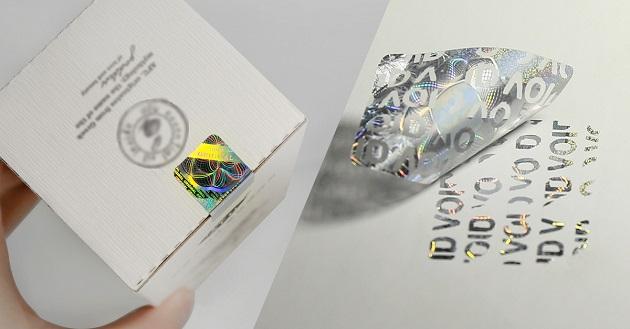
- VOID films for clear tamper indication
- PET materials for durability and tear resistance
- Destructible films for irreversible damage upon removal
Adhesive systems must perform under:
- Corrugated carton surfaces
- Temperature fluctuations during transit
- Humidity and storage variations
- Rough handling and friction
Common security features include:
- VOID messages revealed upon removal
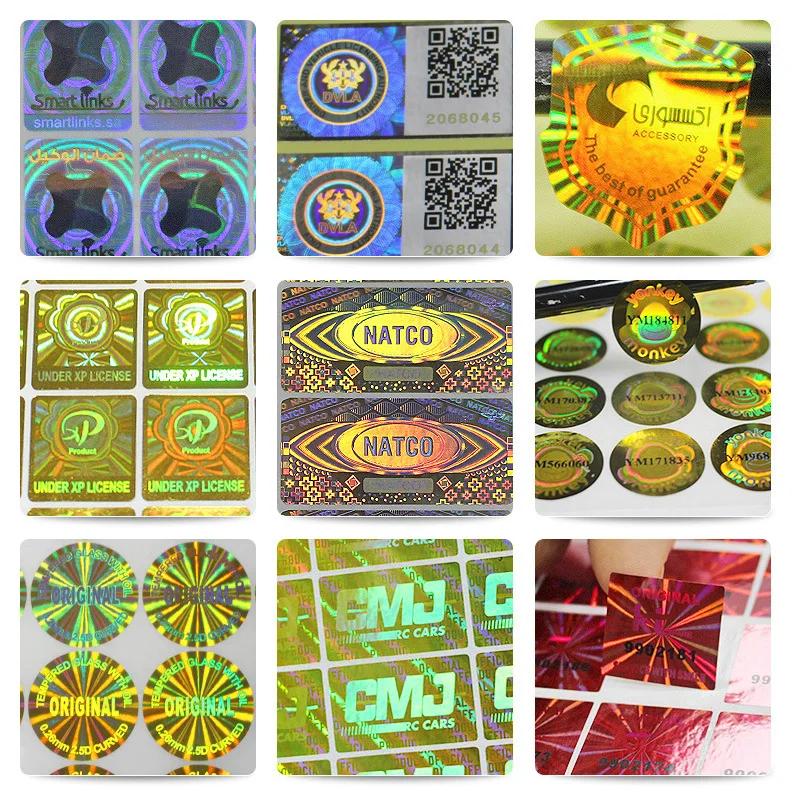
- Serialized numbers for tracking
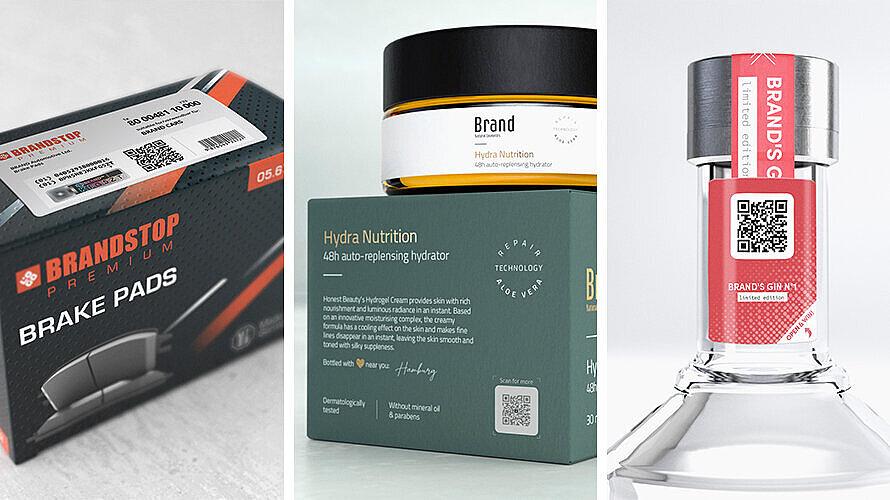
- QR codes for verification
- Multi-layer constructions for enhanced security
According to International Air Transport Association, maintaining packaging integrity is essential for reducing cargo loss and improving traceability in global shipping operations.
Why Shipping Seal Labels Require Real-World Testing
Shipping conditions vary widely—from warehouse storage to long-distance transport across different climates.
At HX, when designing security seal labels for shipping, we evaluate:
- Adhesion on different packaging materials
- Performance under humidity and temperature changes
- Resistance to handling during loading and unloading
- Visibility of tamper evidence after transit
We also conduct:
- Handling and drop simulations
- Environmental testing for logistics conditions
- Adhesion testing on real packaging materials
This ensures labels remain reliable throughout the shipping process.
Why Standard Seals Often Fail During Transit
Many companies rely on basic tape or standard labels, assuming they provide sufficient security. However, these solutions often fail under real conditions.
| Seal Type | Tamper Visibility | Durability | Risk Level |
|---|---|---|---|
| Standard Tape | Low | Medium | High |
| Basic Label Seal | Medium | Medium | Medium |
| Security Seal Label | High | High | Low |
Failures typically include:
- Seals that can be removed and reapplied
- Adhesives weakening during transit
- No clear indication of tampering
Properly engineered security seal labels for shipping eliminate these vulnerabilities by combining material strength with tamper-evident features.
Case Insight: Improving Shipment Integrity in Export Operations
An export company approached HX after experiencing repeated product discrepancies during international shipments.
Issues included:
- Packages arriving intact but with missing items
- Difficulty identifying tampering points
- Increased disputes with logistics partners
HX implemented a solution:
- VOID seal labels for carton closures
- Strong adhesive systems for corrugated packaging
- Serialized tracking labels for accountability
After implementation:
- Tampering became immediately visible
- Disputes were reduced
- Supply chain transparency improved
This case demonstrates how effective sealing solutions improve logistics control.
What Buyers Should Evaluate When Choosing a Solution
When sourcing security seal labels for shipping, buyers should consider:
- Adhesion performance on packaging materials
- Durability under transit conditions
- Clear and irreversible tamper evidence
- Compatibility with tracking systems
- Consistency across production batches
According to Packaging World, combining tamper evidence with traceability features significantly improves supply chain reliability.
Frequently Asked Questions
Q: Can security seal labels replace packaging tape?
A: They are often used together to provide both sealing and tamper evidence.
Q: Are shipping seal labels suitable for long-distance transport?
A: Yes, if materials and adhesives are designed for logistics conditions.
Q: Can seal labels be customized?
A: Yes, including size, material, and integrated tracking features.
A More Reliable Approach to Shipping Security
Security seal labels for shipping are not just packaging tools—they are essential for maintaining accountability, preventing loss, and ensuring product integrity across supply chains.
At HX, we combine material engineering, adhesive science, and real-world testing to deliver labeling solutions that perform consistently during transit.
Strengthening Shipment Security Through Better Sealing Solutions
Shipping involves multiple touchpoints, each introducing potential risk. Properly designed seal labels provide a simple yet effective way to detect tampering and maintain control.
Explore Shipping Security Label Solutions
To see how different seal labels, materials, and tamper features are applied in shipping environments, explore our product range here:
👉 https://www.hxsecuritylabel.com/products
Discuss Your Shipping Label Requirements with HX
If you are evaluating security seal labels for shipping or facing challenges with shipment integrity, you can reach out via:
👉 https://www.hxsecuritylabel.com/contact-us