
When Product Tampering Starts to Affect Your Brand Reputation
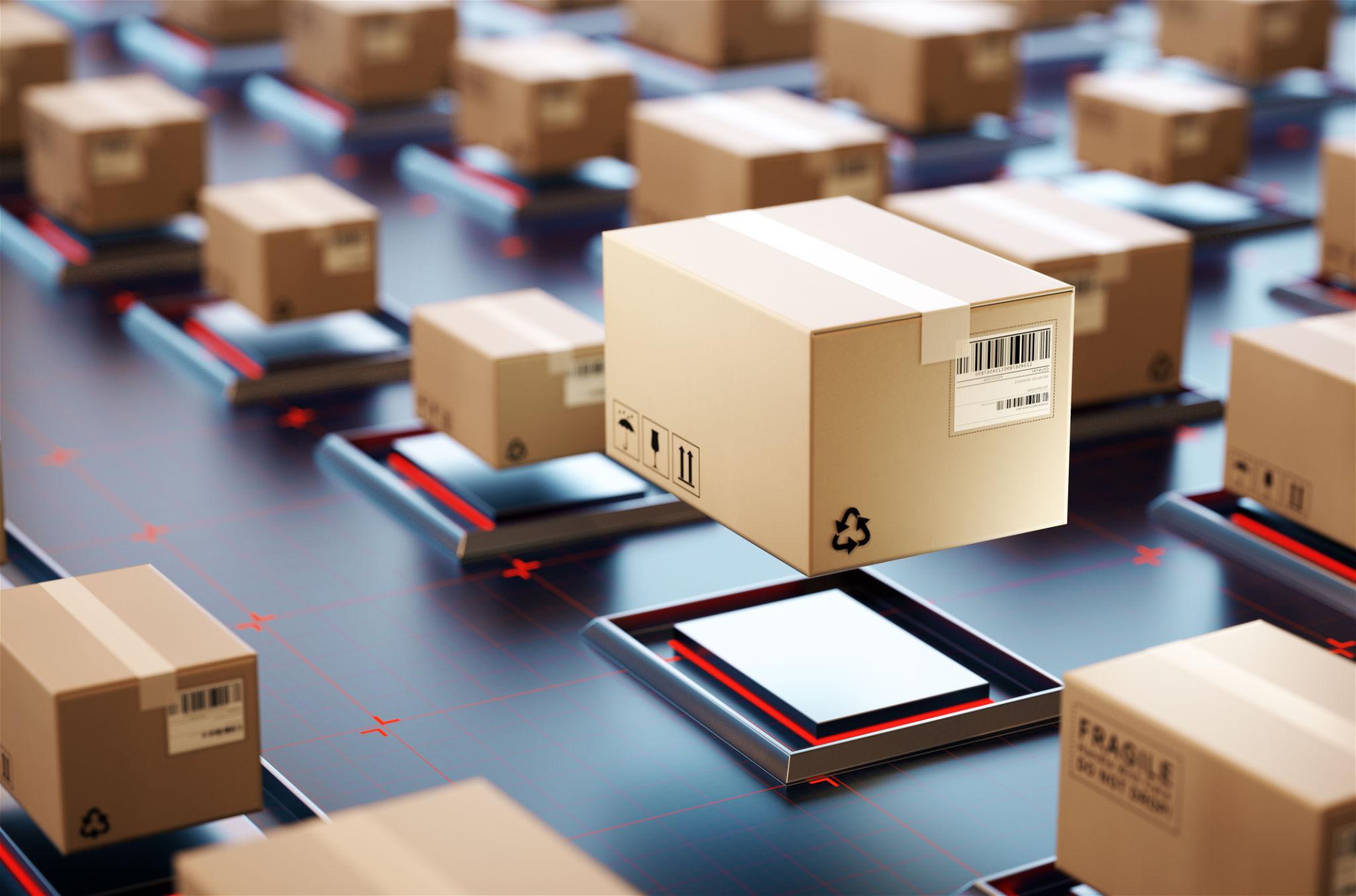
In many industries, product tampering is not a theoretical risk—it is a daily operational concern. Electronics distributors receive returned devices with broken seals. Cosmetic brands face counterfeit products entering secondary markets. Logistics providers struggle with packages that arrive opened but undetected.
These issues rarely come from a single failure. Instead, they are often caused by weak or poorly designed labeling systems that cannot clearly indicate tampering. This is where tamper evident labels become essential. At HX, we approach tamper protection not as a sticker, but as a system—combining materials, adhesives, and security design to ensure that once a label is removed, it cannot be restored.
Material and Structural Design Behind Reliable Tamper Evident Labels
A tamper evident label only works if its material and structure are engineered for the real environment in which it will be used. Standard paper labels or low-grade adhesives often fail under humidity, temperature fluctuations, or mechanical stress.
At HX, common material structures include:
-
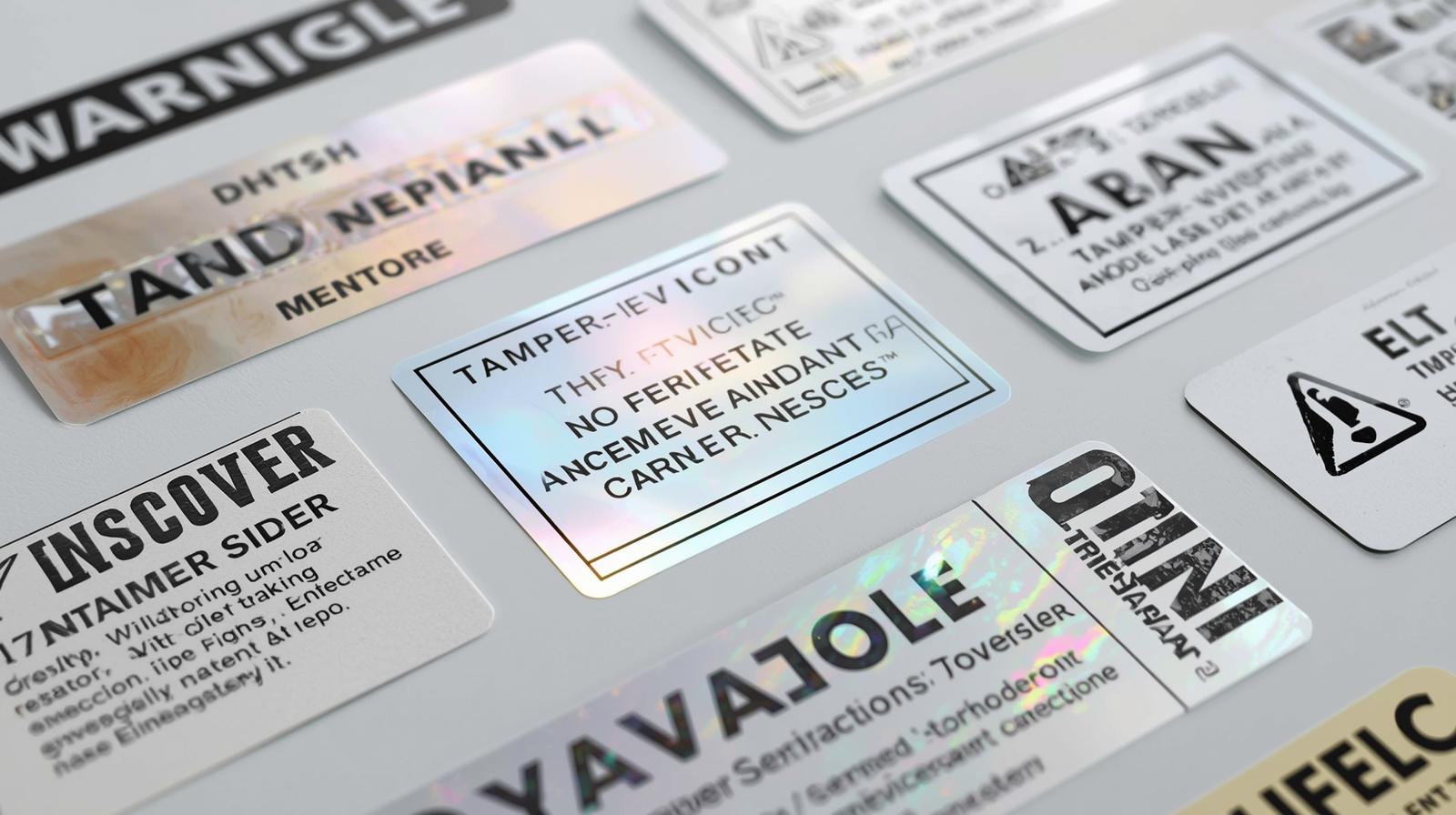
Destructible vinyl: breaks into fragments when removal is attempted
-
PET security film: offers higher durability with controlled tamper indication
-
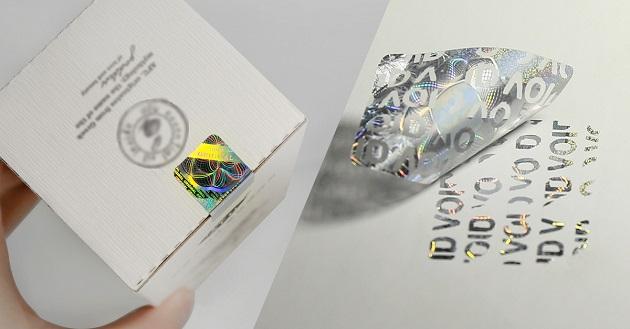
VOID layer constructions: reveal hidden messages upon removal
Adhesive selection is equally critical. Industrial-grade pressure-sensitive adhesives are chosen based on surface type (metal, plastic, cardboard) and environmental conditions.
According to packaging security insights referenced by Packaging World, effective tamper evidence depends on both material integrity and adhesive performance, not just visual design.
How Different Industries Apply Tamper Evident Label Solutions
Not all tamper evident labels are the same. Different industries require different levels of security and functionality.
For example:
-
Electronics
VOID labels combined with serial numbers are used to prevent unauthorized repairs and warranty fraud. -
Medical Devices
Destructible labels ensure that once opened, packaging cannot be resealed without clear evidence. -
Cosmetics & Retail Products
Tamper seals protect brand integrity while also reassuring end customers. -
Logistics & Shipping
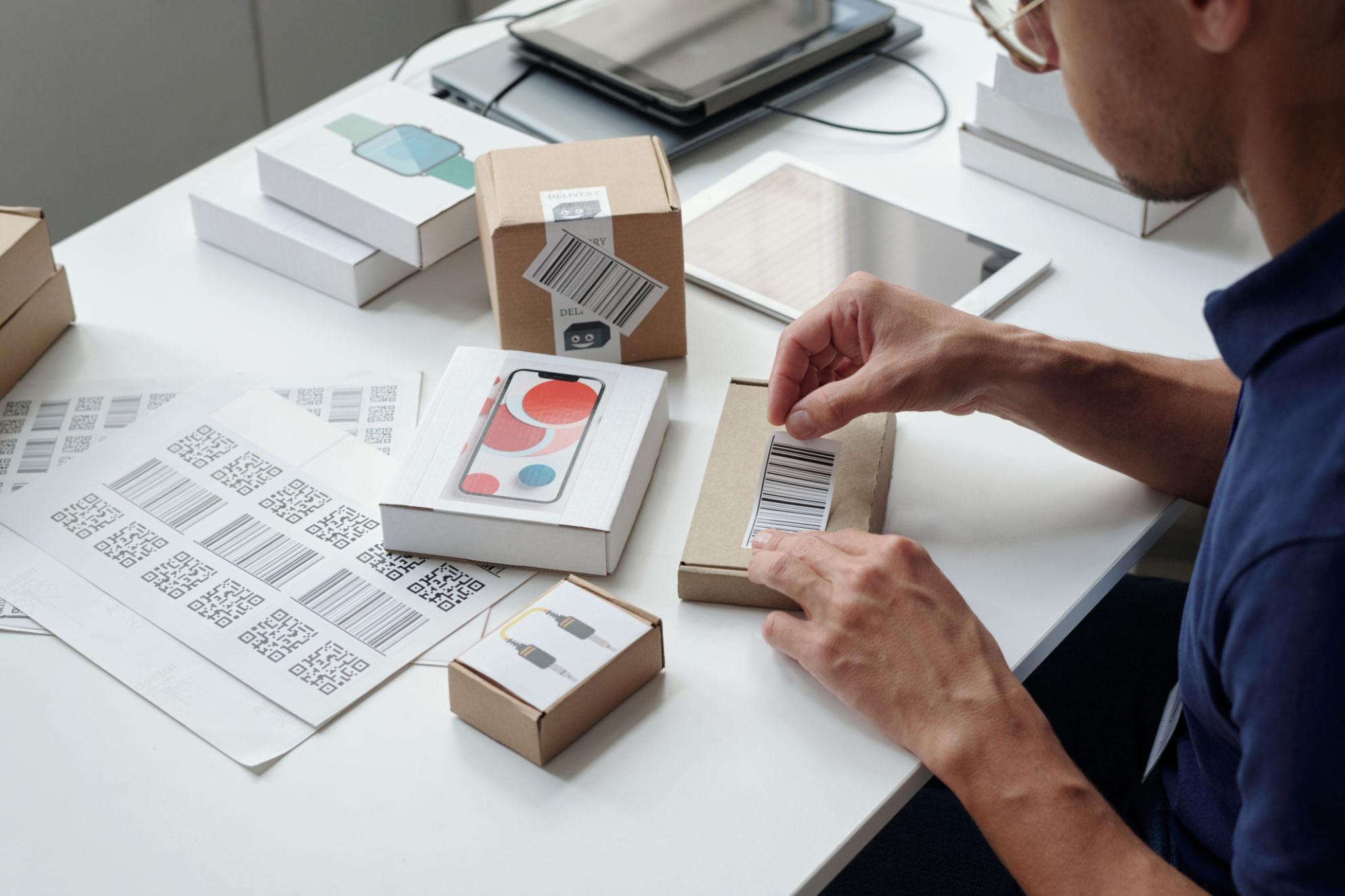
Security seal labels are applied to cartons to detect interference during transit.
The key is not just choosing a label, but designing a fit-for-purpose solution.
Material Comparison: Choosing the Right Tamper Evident Label Type
| Label Type | Tamper Visibility | Durability | Cost Level | Typical Use |
|---|---|---|---|---|
| VOID Labels | High (visible message) | Medium-High | Medium | Electronics, warranty seals |
| Destructible Vinyl | Very High (breaks apart) | Medium | Low-Medium | Small devices, retail |
| PET Security Labels | Medium (partial damage) | High | Medium-High | Industrial equipment |
| Paper Tamper Labels | Low-Medium | Low | Low | Short-term packaging |
In real procurement scenarios, buyers often balance security level vs cost vs application environment. For export-oriented businesses, durability during shipping is often more critical than initial cost.
A Real Case: Reducing Warranty Fraud in Consumer Electronics
A mid-sized electronics distributor approached HX after experiencing increasing warranty claims. Devices were being returned with labels intact, yet internal components had clearly been tampered with.
The issue was traced to low-quality labels that could be removed and reapplied without visible damage.
HX implemented a solution combining:
-
Partial transfer VOID labels
-
Unique serial numbers
-
Stronger adhesive calibrated for plastic surfaces
Within three months, the client reported:
-
A 35% reduction in fraudulent warranty claims
-
Improved internal inspection efficiency
-
Better distributor accountability
This type of result is not uncommon when tamper evident systems are properly designed.
What Buyers Should Evaluate Before Choosing a Supplier
When sourcing tamper evident labels, many buyers focus only on price or appearance. However, long-term performance depends on several technical and operational factors:
-
Material suitability for your product surface
-
Adhesion performance under real conditions
-
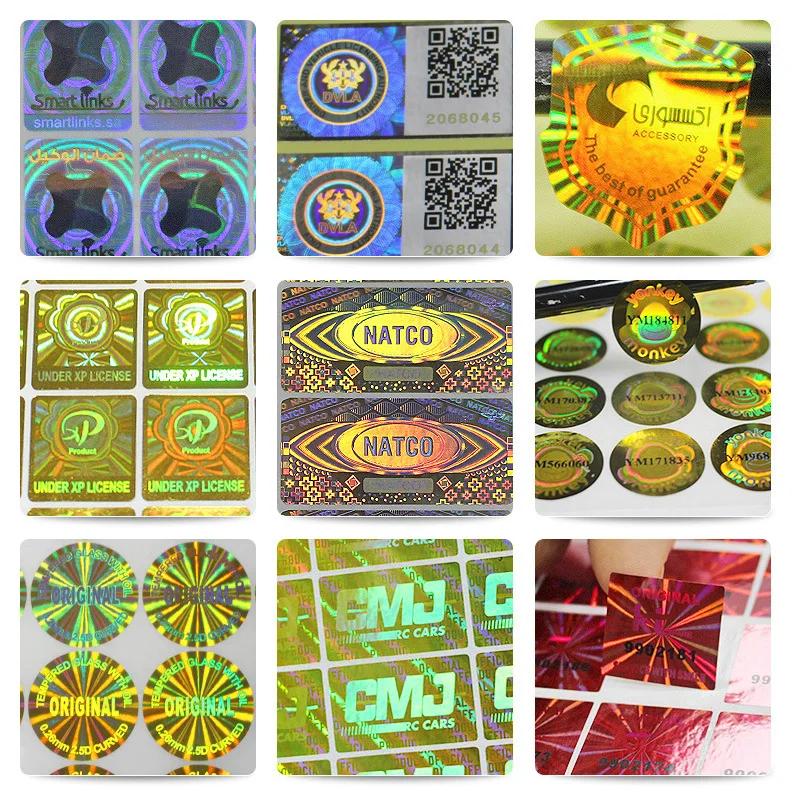
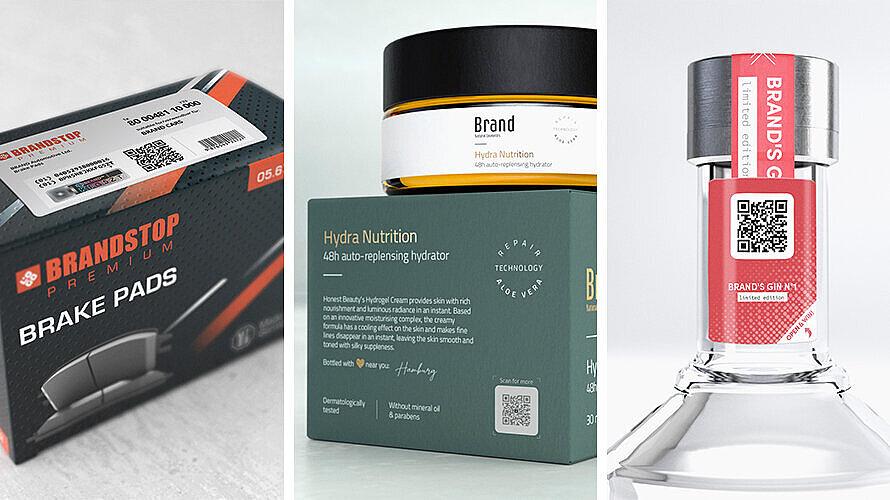
Customization capability (VOID patterns, serial numbers, QR codes)
-
Production consistency for bulk orders
-
Lead time and MOQ flexibility
Working with a manufacturer who understands both security design and industrial application is critical.
Frequently Asked Questions
Q: Can tamper evident labels be removed without damage?
A: Properly designed tamper evident labels cannot be removed intact. They either leave a visible mark or break during removal.
Q: What is the difference between VOID and destructible labels?
A: VOID labels reveal hidden text when removed, while destructible labels physically break into pieces.
Q: Are tamper evident labels suitable for outdoor use?
A: Yes, if the correct material (such as PET) and adhesive are selected for weather resistance.
Building a More Secure Labeling System with HX
Tamper evident labels are no longer optional in modern supply chains—they are a fundamental part of product security and brand protection. The difference between a standard label and a well-engineered tamper system can directly impact warranty costs, customer trust, and operational efficiency.
At HX, we focus on delivering customized, application-driven security labeling solutions, combining material science, printing technology, and data integration. Whether you are protecting electronics, packaging, or industrial equipment, the right labeling strategy can significantly reduce risk.
To explore suitable tamper evident label solutions for your products, you can visit our homepage or reach out through our contact page to discuss your specific requirements.