
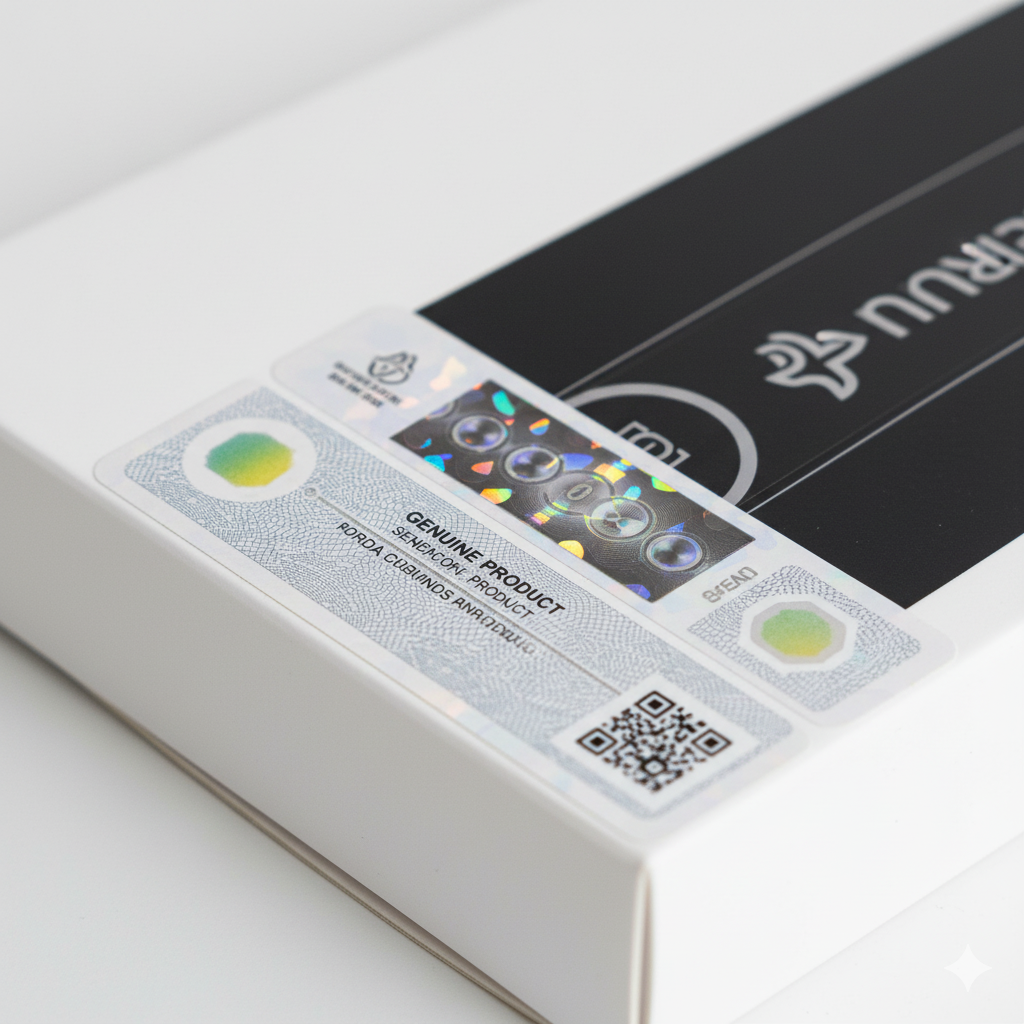
When Label Performance Starts Failing After Shipment, Not in Testing
It usually doesn’t fail in the meeting room.
Samples are tested. Everything looks acceptable. Adhesion seems strong, printing is clean, and the tamper effect appears visible. But once the labels move into real supply chains—warehousing, shipping, handling—that’s when problems quietly begin to surface.
Labels peel too easily in humid regions. VOID patterns become unclear after transport. Some labels can even be removed and reapplied without obvious traces. By the time these issues are discovered, products are already in the market.
At HX, we’ve worked with clients who experienced exactly this transition—from “qualified sample” to “uncontrollable risk.” Our approach focuses on building tamper proof label systems that perform consistently under real conditions, not just controlled tests.
Material Engineering and Structural Design Define Real Security Performance
Before discussing suppliers, it’s important to understand what actually makes a label “tamper proof” in practical use.
A reliable label is not defined by appearance, but by how it reacts under stress, time, and environmental exposure.
Typical engineered structures include:
-
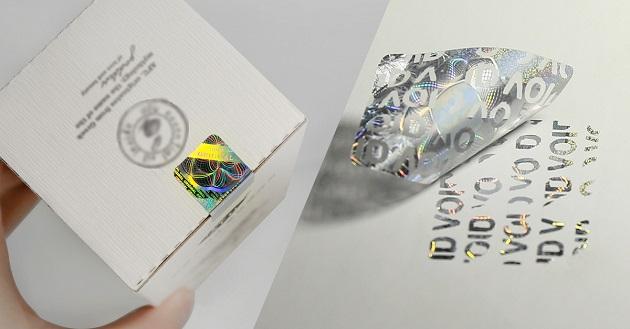
Destructible vinyl layers that fracture into micro-pieces upon removal
-
VOID transfer constructions that leave visible evidence on surfaces
-
Multi-layer laminates that separate in controlled ways
Material selection must match application realities:
-
PET for durability and heat resistance
-
Vinyl for flexibility and controlled destruction
-
Specialized adhesives tuned for plastic, metal, or coated surfaces
According to insights published by Packaging World, effective tamper evidence depends on the interaction between material structure and surface conditions—not just adhesive strength alone.
Why Experienced Manufacturers Deliver More Than Just Labels
Even with the right materials, outcomes still depend on how well the supplier understands application variables.
At HX, projects are not approached as simple print jobs. Each requirement is evaluated through:
-
Surface compatibility analysis
-
Environmental exposure simulation
-
Adhesive performance calibration
-
Tamper visibility testing
This is where experience becomes a deciding factor.
Working with a manufacturer that has handled diverse industries—electronics, logistics, consumer goods—means fewer assumptions and more predictable outcomes. It also reduces the trial-and-error cycles that often delay product launches.
The Hidden Gap Between Sample Approval and Bulk Production Reality
Many procurement decisions rely heavily on sample approval. However, what performs well in small batches does not always scale.
Here’s where discrepancies often appear:
| Evaluation Stage | Common Issue | Real Impact |
|---|---|---|
| Sample Testing | Controlled environment | Unrealistic performance expectations |
| Early Production | Minor variation ignored | Quality drift begins |
| Bulk Delivery | Adhesion inconsistency | Increased failure rate |
| End Use | Environmental stress | Product integrity risk |
A capable tamper proof label supplier builds consistency into the process—not just the sample.
Case Insight: When Environmental Conditions Expose Weak Label Design
One HX client, operating in consumer electronics distribution, initially reported no issues during internal testing. Labels adhered well, and tamper effects appeared clear.
However, after export to Southeast Asia, problems emerged:
-
Labels began lifting at edges after prolonged humidity exposure
-
VOID patterns became partially visible, reducing clarity
-
Some seals failed during long-distance transport
The root cause was not manufacturing error, but misalignment between material selection and environmental conditions.
HX re-engineered the solution by:
-
Upgrading adhesive formulation for high-humidity resistance
-
Adjusting VOID layer contrast for clearer visibility
-
Reinforcing edge adhesion performance
Within one production cycle, failure rates dropped significantly, and client complaints stabilized.
What Procurement Teams Should Validate Before Finalizing a Supplier
Selecting a tamper proof label supplier requires deeper evaluation than pricing or lead time.
Key considerations include:
-
Material adaptability across different surfaces and environments
-
Adhesion durability over time, not just initial strength
-
Tamper indication clarity after long-term use
-
Production consistency between batches
-
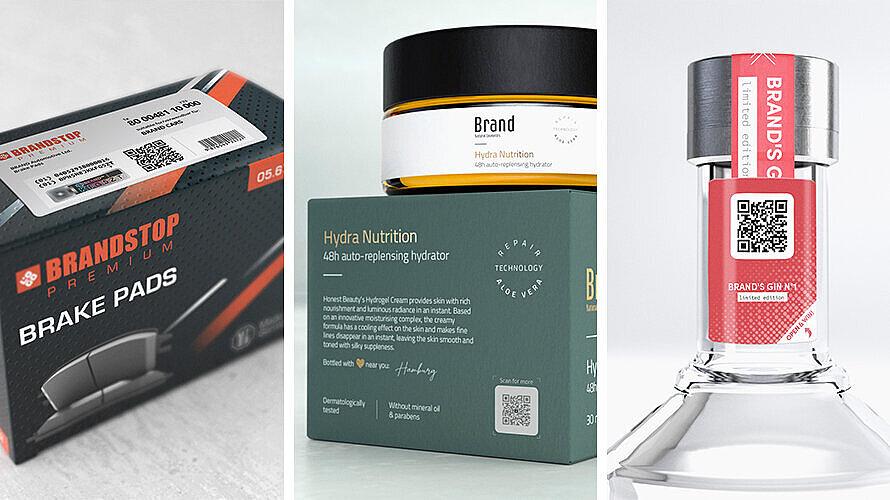
Customization capability, including variable data integration
Industry research from Smithers emphasizes that long-term performance stability is one of the most overlooked yet critical factors in security labeling systems.
Frequently Asked Questions
Q: Can tamper proof labels fail even if samples pass testing?
A: Yes. Environmental factors such as humidity, temperature, and handling conditions can significantly affect performance.
Q: What is the most reliable type of tamper proof label?
A: It depends on the application. VOID labels, destructible labels, and multi-layer constructions each serve different purposes.
Q: How can I ensure consistency in bulk production?
A: Work with suppliers who perform environmental testing and maintain strict production control standards.
A More Reliable Way to Approach Tamper Proof Label Sourcing
Choosing a tamper proof label supplier is less about finding a vendor and more about selecting a partner who understands real-world application conditions.
At HX, we focus on aligning material science, adhesive engineering, and production control to deliver labels that perform consistently—from sample to shipment, and beyond.
Explore Our Product Capabilities
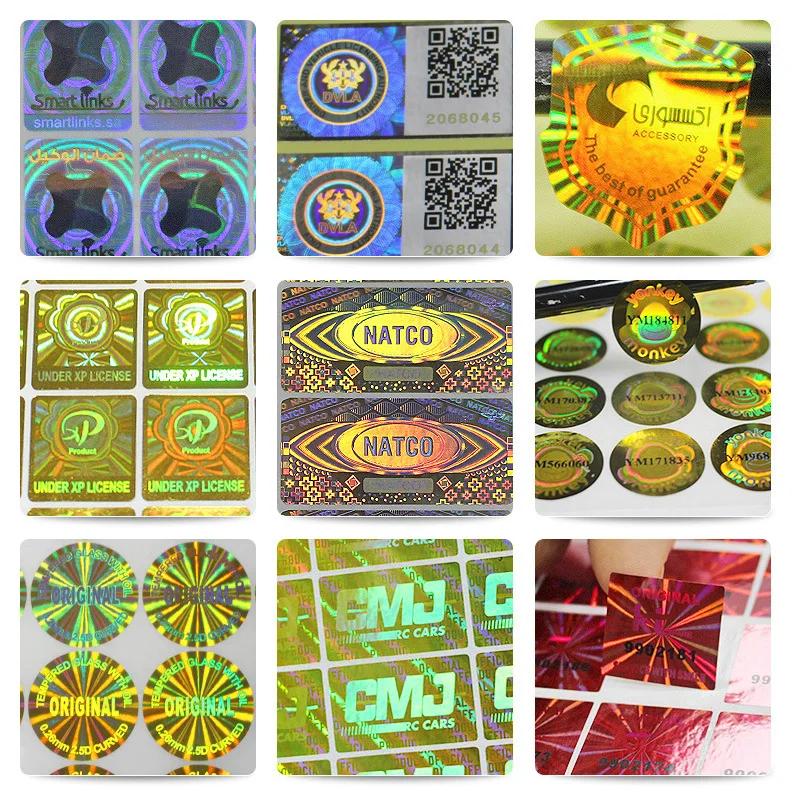
If you want to review different tamper evident and security label structures, materials, and customization options, you can explore our full product range here:
👉 https://www.hxsecuritylabel.com/products
This will give you a clearer view of how different label types are applied across industries and use cases.
Discuss Your Application with Our Team
If you are currently evaluating a tamper proof label supplier or experiencing inconsistencies in your current supply, it may be worth reviewing your application requirements in more detail.
👉 https://www.hxsecuritylabel.com/contact-us
Our team can help you assess material selection, adhesive performance, and structural design to ensure long-term reliability—not just short-term approval.