
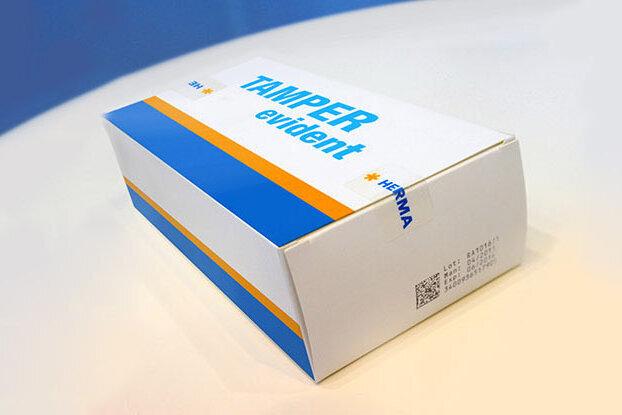
When Device Integrity Is Questioned, the Risk Goes Beyond Product Loss
In the medical industry, even a small labeling failure can lead to serious consequences.
A package appears unopened, yet there is uncertainty about whether it has been accessed. A device is returned, but there is no clear indication of tampering. In these situations, the issue is not just operational—it directly impacts patient safety and regulatory compliance.
Unlike other industries, medical devices require absolute clarity. There is no room for ambiguity when it comes to product integrity.
At HX, we’ve worked with healthcare manufacturers and distributors facing these exact challenges. The problem is often not the absence of labels, but the use of labels that do not provide clear, irreversible tamper evidence. This is why properly engineered tamper labels for medical devices are essential for maintaining safety standards.
Materials and Adhesive Systems for Medical-Grade Labels
Medical environments demand highly controlled material and adhesive performance.
Typical materials used in tamper labels for medical devices include:
- Medical-grade PET films for stability and durability
- Destructible materials for irreversible tamper indication
- Specialized papers for sterile packaging applications
Adhesive systems must meet strict requirements:
- Compatibility with sterilized surfaces
- Stability under temperature fluctuations
- Resistance to humidity and storage conditions
- Non-contamination for sensitive environments
Additional security features may include:
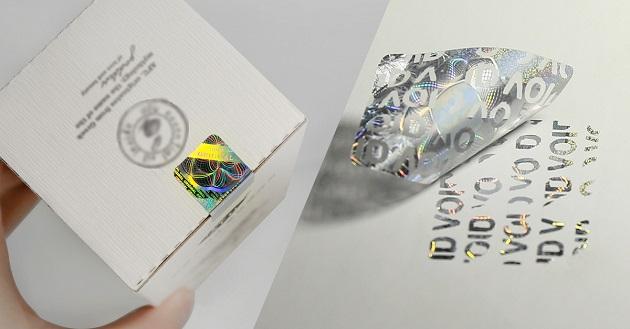
- VOID layers for visible tamper evidence
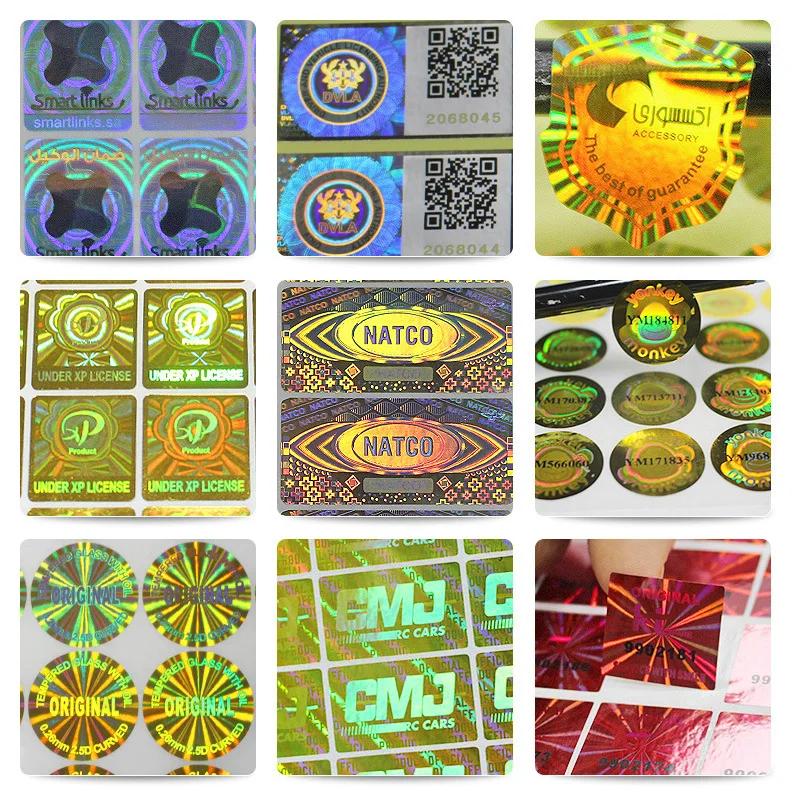
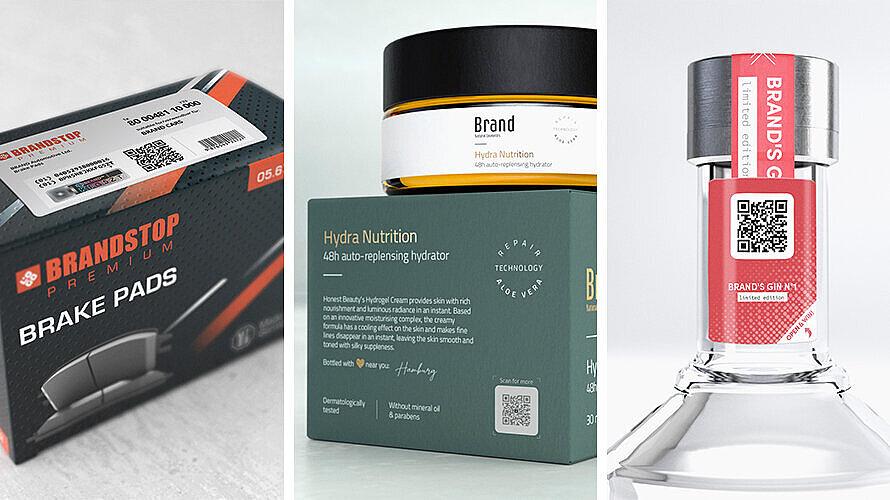
- Serialized numbers for traceability
- UV ink for hidden verification
According to FDA (U.S. Food and Drug Administration), labeling for medical devices must ensure traceability and integrity throughout the product lifecycle, particularly in sterile and controlled environments.
Why Medical Device Labeling Requires Specialized Experience
Medical applications introduce unique challenges that standard labeling solutions cannot address.
At HX, when designing tamper labels for medical devices, we evaluate:
- Compatibility with sterile packaging materials
- Adhesion behavior after sterilization processes
- Handling during distribution and clinical use
- Regulatory and compliance requirements
We also perform:
- Adhesion testing under controlled medical conditions
- Tamper simulation for packaging integrity
- Environmental testing for storage and transport
This ensures that labels perform consistently across all stages—from production to patient use.
Why Standard Tamper Labels Are Not Enough for Medical Use
Some manufacturers attempt to use general tamper labels for medical devices, but this often leads to compliance risks.
| Label Type | Tamper Visibility | Compliance Suitability | Risk Level |
|---|---|---|---|
| Standard Tamper Label | Medium | Low | High |
| Industrial Label | Medium | Medium | Medium |
| Medical-Grade Tamper Label | High | High | Low |
Properly designed tamper labels for medical devices ensure both security and compliance.
Case Insight: Improving Packaging Integrity in Medical Distribution
A medical device distributor approached HX after experiencing issues with packaging integrity during international shipments.
Problems included:
- Labels detaching under temperature changes
- Unclear tamper evidence after handling
- Difficulty verifying product integrity
HX developed a solution:
- Medical-grade adhesive optimized for sterile packaging
- Destructible label material for clear tamper indication
- Improved bonding for long-term stability
Results:
- Packaging integrity improved significantly
- Compliance confidence increased
- Inspection processes became more reliable
This case highlights how specialized labeling solutions can directly impact safety and regulatory outcomes.
What Buyers Should Evaluate When Choosing a Supplier
When sourcing tamper labels for medical devices, buyers should consider:
- Compliance with medical standards
- Compatibility with sterilization processes
- Adhesion performance under controlled conditions
- Clear and irreversible tamper evidence
- Consistency across production batches
According to WHO (World Health Organization), maintaining product integrity and traceability is essential for ensuring safety in healthcare supply chains.
Frequently Asked Questions
Q: Can tamper labels be used on sterile packaging?
A: Yes, if materials and adhesives are compatible with sterilization processes.
Q: Are medical tamper labels different from industrial labels?
A: Yes, they must meet stricter safety, material, and compliance requirements.
Q: Can labels affect device safety?
A: Improper materials or adhesives can compromise packaging integrity, so proper selection is critical.
A More Reliable Approach to Medical Device Labeling
Tamper labels for medical devices are not just security features—they are part of a broader system ensuring safety, compliance, and trust.
At HX, we combine material engineering, adhesive science, and regulatory awareness to deliver labeling solutions that meet the strict demands of healthcare environments.
Ensuring Safety and Compliance Through Better Label Design
Medical devices require labeling solutions that perform consistently under strict conditions. When properly engineered, tamper labels provide clear evidence of integrity and help maintain trust throughout the supply chain.
Explore Medical Security Label Solutions
To understand how tamper labels, materials, and adhesive systems are applied in medical device packaging, you can explore our product range here:
👉 https://www.hxsecuritylabel.com/products
Discuss Your Medical Label Requirements with HX
If you are evaluating tamper labels for medical devices or facing challenges with compliance and performance, you can reach out via:
👉 https://www.hxsecuritylabel.com/contact-us