
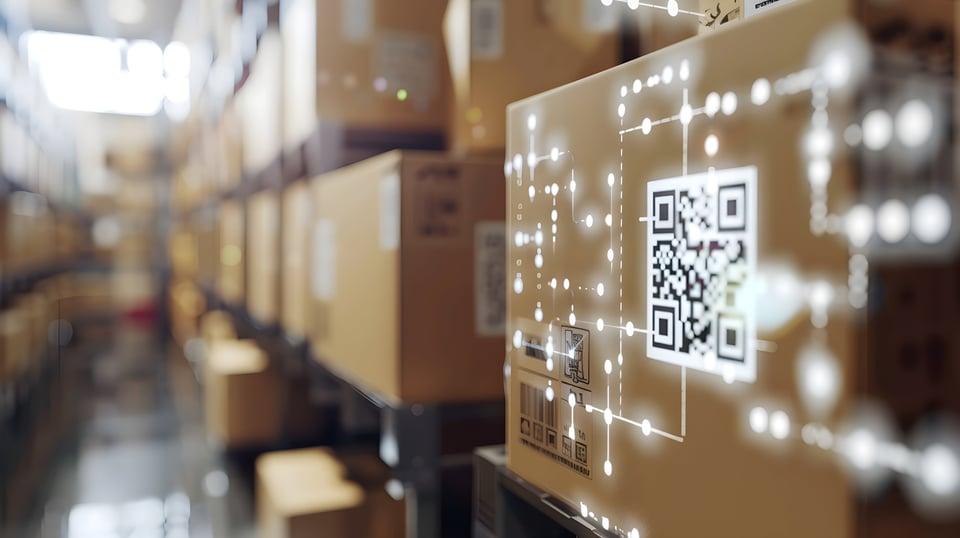
When Packaging Looks Authentic but Products Are Not
In today’s global supply chains, counterfeit products often arrive in packaging that appears completely legitimate.
Boxes are well printed. Labels look clean. Barcodes scan correctly. Yet inside, the product is not genuine. By the time the issue is identified, products have already reached distributors—or worse, end users.
This creates multiple risks:
- Loss of brand credibility
- Increased return and warranty costs
- Supply chain disputes
- Customer safety concerns
At HX, we’ve worked with manufacturers and exporters facing these exact challenges. The problem is rarely the absence of labeling—it’s the lack of effective anti-counterfeit protection at the packaging level. This is why properly designed anti fake labels for packaging are essential for modern product security.
Materials and Security Technologies Behind Packaging Labels
Packaging labels must balance durability, cost efficiency, and security performance.
Common materials include:
- PET films for durability and long-term stability
- Paper-based labels for cost-effective packaging applications
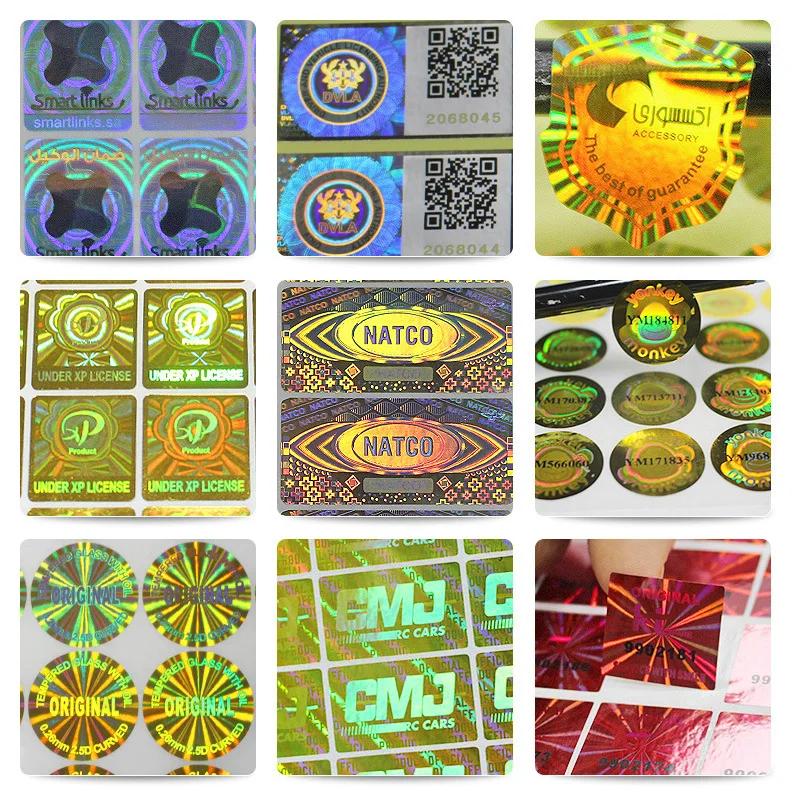
- Holographic films for visual anti-counterfeit features
Security technologies often integrated into labels:
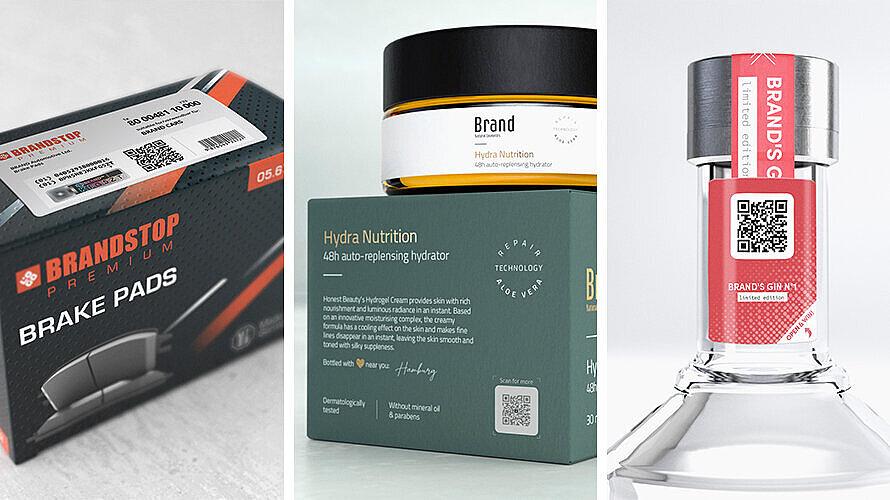
- QR codes for digital authentication
- Serial numbers for traceability
- UV ink for hidden verification
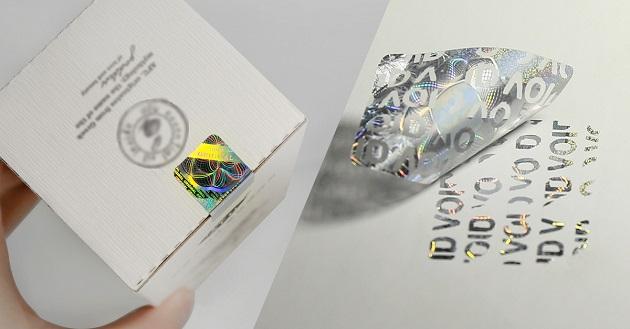
- VOID or tamper-evident layers for seal protection
Adhesive systems must ensure:
- Strong bonding to cardboard and plastic packaging
- Stability during transport and storage
- Controlled removal behavior for tamper indication
According to OECD, counterfeit goods in packaging-based industries continue to rise globally, making packaging-level authentication increasingly important.
Why Packaging Security Requires Application-Specific Design
Not all packaging environments are the same. Labels must perform under different handling conditions, logistics processes, and storage environments.
At HX, when designing anti fake labels for packaging, we evaluate:
- Packaging materials (corrugated boxes, cartons, plastic wraps)
- Transport conditions (humidity, temperature, handling stress)
- Supply chain touchpoints (warehouse, shipping, retail)
- Visibility requirements for inspection
We also conduct:
- Adhesion testing on packaging materials
- Environmental simulations for logistics conditions
- Tamper behavior testing under real handling scenarios
This ensures labels perform reliably throughout the entire supply chain.
Why Basic Labels Are No Longer Effective Against Counterfeiting
Many companies still rely on simple labels for packaging security. However, these are increasingly easy to replicate.
| Label Type | Anti-Counterfeit Strength | Traceability | Risk Level |
|---|---|---|---|
| Standard Packaging Label | Low | None | High |
| Single Security Feature Label | Medium | Limited | Medium |
| Multi-Layer Security Label | High | Strong | Low |
Effective anti fake labels for packaging combine multiple security layers, making replication significantly more difficult.
Case Insight: Improving Packaging Security in Export Markets
A manufacturing client exporting consumer goods faced repeated issues with counterfeit products appearing in overseas markets.
Problems included:
- Replicated packaging and labels
- Lack of product verification methods
- Difficulty tracking product origin
HX implemented a multi-layer solution:
- Holographic labels for visual authentication
- QR codes linked to verification systems
- Tamper evident seals for packaging integrity
- Serialized numbering for traceability
After implementation:
- Counterfeit detection improved significantly
- Distributor confidence increased
- Brand reputation stabilized
This case demonstrates how packaging-level security can directly impact supply chain control.
What Buyers Should Evaluate When Choosing a Solution
When sourcing anti fake labels for packaging, buyers should consider:
- Compatibility with packaging materials
- Integration of multiple security features
- Durability during transport and storage
- Ease of verification (for distributors and consumers)
- Consistency across production batches
According to Packaging World, layered security solutions provide stronger protection than single-feature approaches in packaging environments.
Frequently Asked Questions
Q: Can packaging labels prevent all counterfeiting?
A: No single solution is foolproof, but layered security significantly reduces risk.
Q: Are anti fake labels suitable for all packaging types?
A: Yes, with proper material and adhesive selection.
Q: Can consumers verify authenticity using labels?
A: Yes, through QR codes or other authentication features.
A More Reliable Approach to Packaging Security
Anti fake labels for packaging are no longer optional—they are a critical part of protecting products in complex global supply chains. As counterfeiting methods evolve, labeling systems must become more advanced and integrated.
At HX, we combine material engineering, security technologies, and application expertise to deliver labeling solutions that perform consistently across real-world conditions.
Strengthening Packaging Security Through Better Label Design
Packaging is often the first point of contact between a product and the market. Effective labeling ensures that this first impression also serves as a layer of protection.
Explore Packaging Security Label Solutions
To see how different materials, adhesives, and security features are applied in packaging, explore our product range here:
👉 https://www.hxsecuritylabel.com/products
Discuss Your Packaging Security Needs with HX
If you are evaluating anti fake labels for packaging or facing challenges with counterfeit products, you can reach out via:
👉 https://www.hxsecuritylabel.com/contact-us