
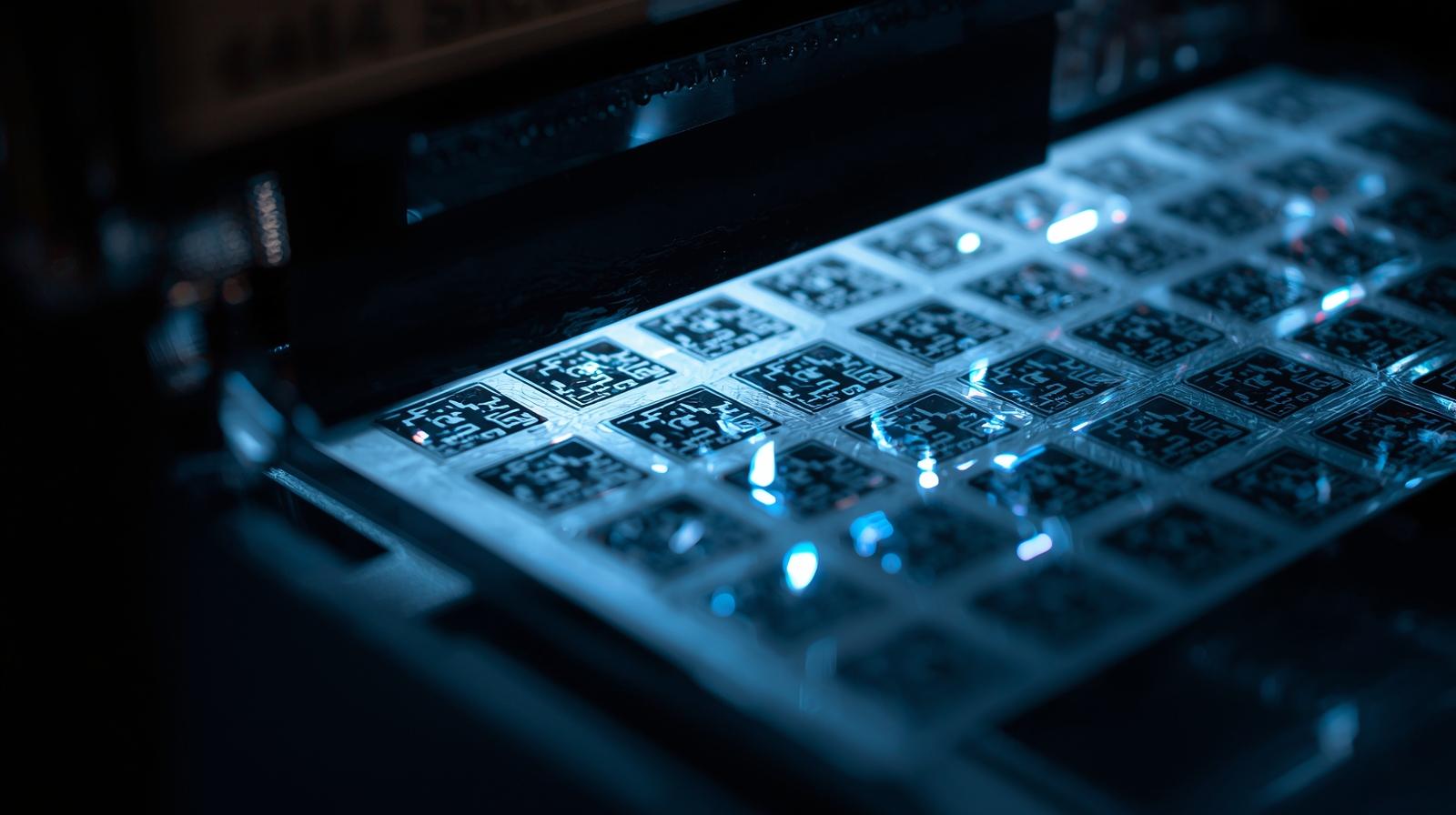
Tamper Proof Is Not a Feature—It Is a Behavior
Many products claim to use tamper proof security stickers.
Few actually behave like one.
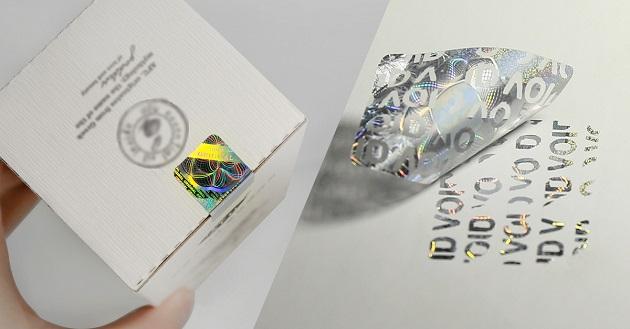
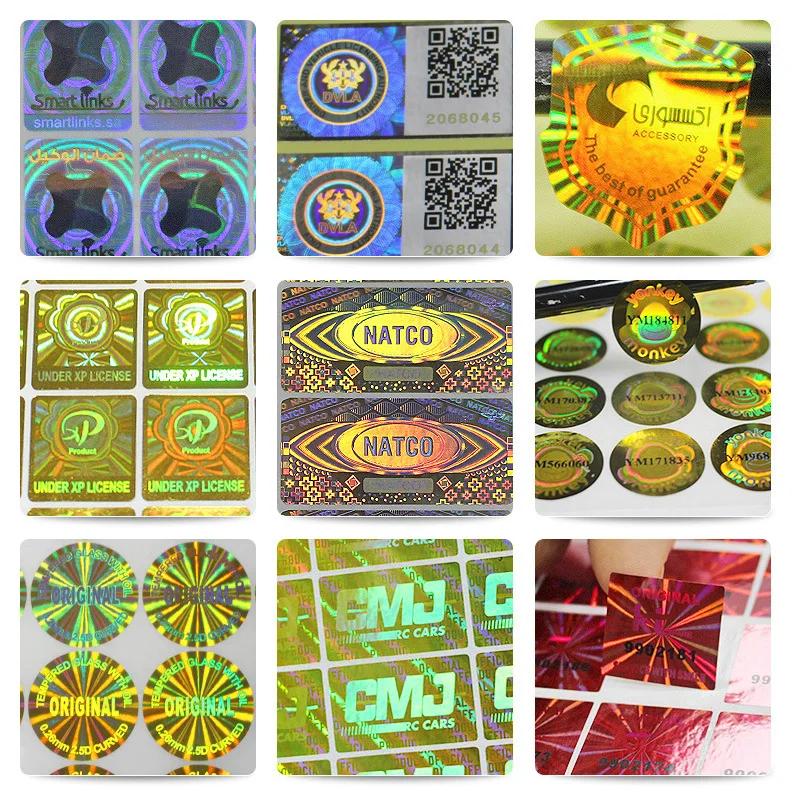
A sticker is not tamper-proof because it says “VOID” or includes a hologram.
It is tamper-proof only when any attempt to remove, lift, or transfer it produces unavoidable evidence.
The real question is not:
“What does the sticker look like?”
It is:
“What happens when someone tries to break it?”
Where Tamper Proof Stickers Fail in Real Supply Chains
Failures rarely happen during production.
They happen later—during transport, storage, or misuse.
Typical failure scenarios include:
-
Clean removal without visible trace
-
Adhesive re-bonding after lifting
-
Partial peeling without triggering tamper effect
-
Stickers reused on different packaging
When this happens, the sticker becomes a decoration—not a security control.
What Defines a Real Tamper Proof Security Sticker
1. Controlled Destruction Instead of Clean Removal
A tamper proof sticker must be designed to fail in a specific way.
Huaxin engineers destruction behavior such as:
-
VOID message transfer onto substrate
-
Layer separation between film and adhesive
-
Fragmentation into non-reusable pieces
-
Hidden pattern exposure during peel
The key principle:
once removed, the sticker cannot return to a usable state.
2. Adhesive That Works Under Real Conditions
Adhesive is the core—not the surface print.
Huaxin calibrates adhesive systems based on:
-
Surface type (glass, plastic, coated paper, metal)
-
Environmental exposure (humidity, temperature)
-
Application pressure and speed
A good adhesive must:
-
Bond quickly
-
Resist accidental lifting
-
Activate tamper only under intentional force
Too strong → breaks during application
Too weak → allows reuse
The balance is engineered, not guessed.
3. Structural Layer Design That Controls Failure Path
Tamper proof behavior is determined by internal structure.
Huaxin uses multi-layer constructions such as:
-
Top film layer (visual and protection)
-
Security layer (VOID / hidden pattern)
-
Adhesive layer (controlled bonding strength)
-
Release system (application control)
Each layer defines how the sticker reacts under stress.
Without structural control, tamper behavior becomes inconsistent.
Different Tamper Structures and When to Use Them
| Tamper Type | Behavior | Best Use Case |
|---|---|---|
| Full transfer VOID | Message remains on surface | High-risk packaging |
| Partial transfer | Split between label and surface | General anti-tamper |
| Destructible label | Breaks into fragments | Small items, electronics |
| Seal label (bridging) | Breaks when opened | Bottles, lids, boxes |
Choosing the wrong structure leads to either overdesign or failure.
Manufacturing Process That Ensures Consistency at Scale
A tamper proof security sticker must behave the same across thousands—or millions—of units.
Huaxin controls production through:
-
Precision coating of adhesive layers
-
Controlled lamination of security films
-
High-accuracy die-cutting
-
Secure printing processes
-
Batch consistency verification
Production follows ISO 14298 secure printing standards, ensuring traceability and repeatability.
How Tamper Proof Stickers Create Real Business Value
Security is not just protection—it is operational control.
A properly designed tamper proof sticker helps:
-
Reduce product returns caused by disputes
-
Prevent unauthorized opening or reuse
-
Increase distributor accountability
-
Improve customer trust at point of purchase
In many industries, the cost of failure exceeds the cost of the label itself.
Common Mistakes When Selecting Tamper Proof Stickers
| Mistake | Consequence |
|---|---|
| Choosing based on appearance | No real protection |
| Ignoring packaging surface | Adhesion failure |
| Overusing holograms | False security signal |
| No real-world testing | Failure after shipment |
| Single design for all products | Inconsistent performance |
How Huaxin Designs Tamper Proof Security Stickers
Huaxin does not sell a standard sticker.
It designs behavior based on application.
Practical Workflow
-
Identify tampering risk (reuse, opening, transfer)
-
Analyze packaging surface and structure
-
Select material and adhesive system
-
Design tamper structure and failure mode
-
Validate through real-condition testing
-
Scale production under controlled environment
Each project results in a function-specific security solution, not a generic product.
FAQ — Key Questions Buyers Should Ask
Can a tamper proof sticker be reused after removal?
No. A properly designed sticker becomes visibly damaged and unusable.
Will it work on all surfaces?
No. Adhesive must be matched to the specific surface material.
Is more security always better?
No. Over-complex designs reduce usability and increase cost without improving effectiveness.
Real Security Is Defined by What Cannot Be Hidden
A tamper proof security sticker is not meant to look secure.
It is meant to make tampering impossible to hide.
With Huaxin, tamper proof stickers are engineered around real-world behavior—controlled destruction, stable adhesion, and consistent performance across supply chains.
Explore solutions on the
Huaxin homepage or discuss your application via
https://www.hxsecuritylabel.com/contact-us.