
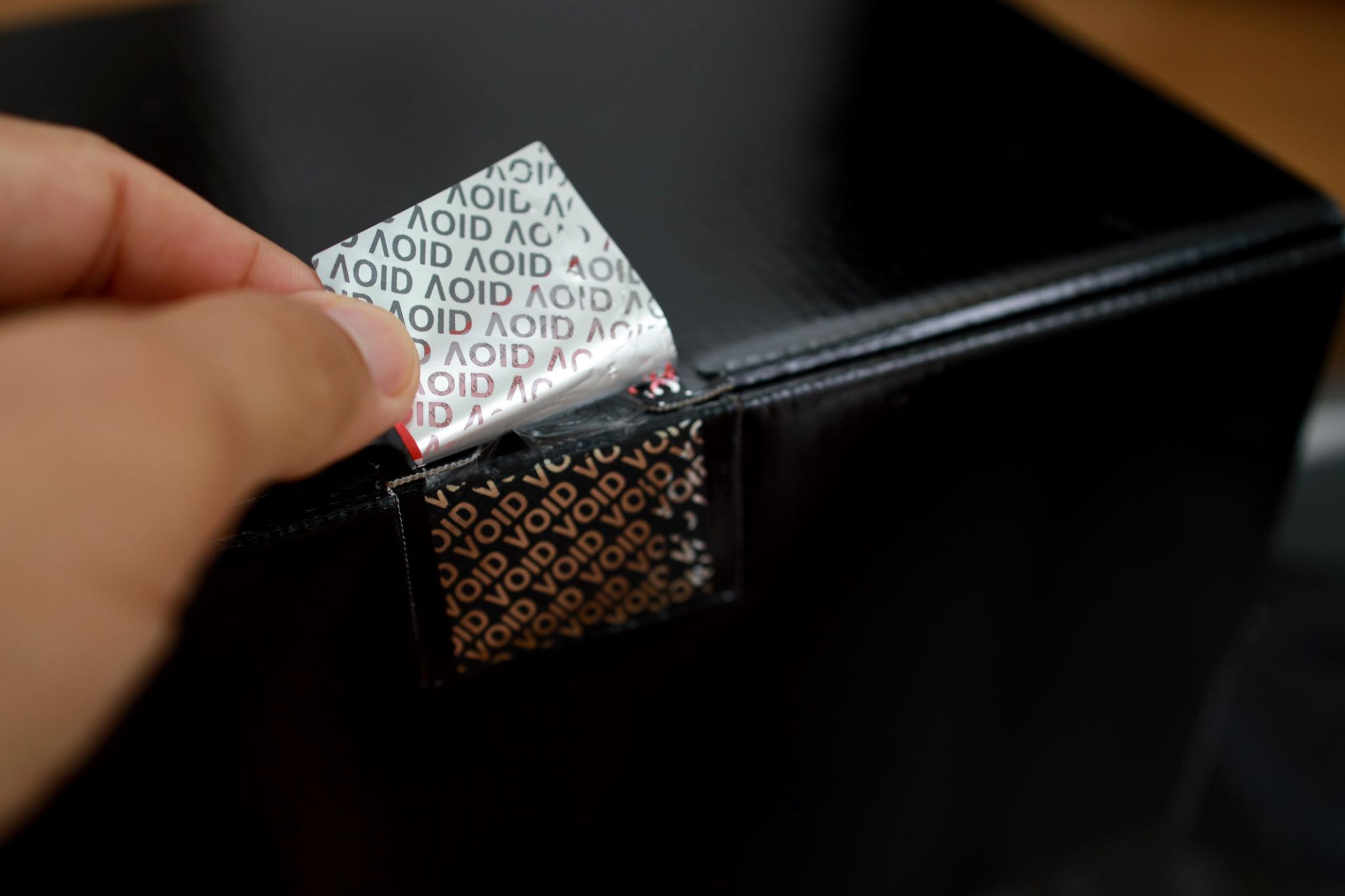
When Equipment Access Goes Unnoticed Until It’s Too Late
In industrial and commercial environments, equipment is often accessed by multiple teams—maintenance staff, operators, third-party contractors. Most of the time, access is legitimate. But when it isn’t, the consequences are not immediately visible.
A machine panel is opened and closed. A component is replaced without authorization. A device is adjusted, but no record is left behind. By the time a failure occurs, tracing the source becomes difficult.
This lack of visibility creates risks:
- Equipment malfunction or downtime
- Safety concerns in critical systems
- Warranty disputes and accountability issues
At HX, we’ve worked with manufacturers and facility operators facing these challenges. The problem is rarely access itself—it’s the inability to detect it. This is where properly designed anti tamper labels for equipment become essential for maintaining control.
Materials and Adhesive Systems for Equipment Applications
Equipment labeling requires materials that can withstand demanding environments while providing clear tamper evidence.
Typical materials include:
- PET films for durability and heat resistance
- Destructible vinyl for irreversible tamper indication
- High-strength laminates for industrial environments
Adhesive systems must perform under:
- High temperatures from operating equipment
- Exposure to oils, grease, and cleaning agents
- Metal, coated, and textured surfaces
Common security features:
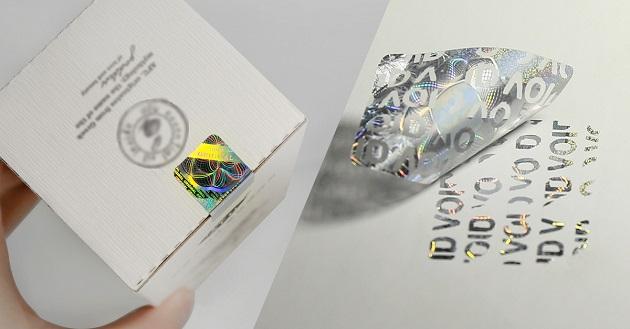
- VOID layers that leave visible messages
- Destructible structures that break upon removal
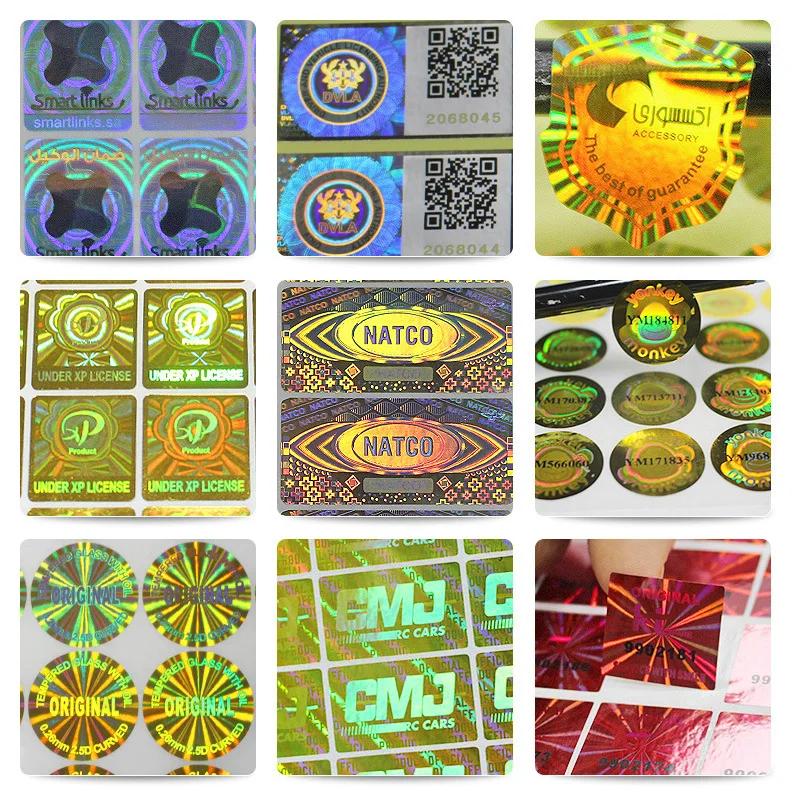
- Serialized labels for traceability
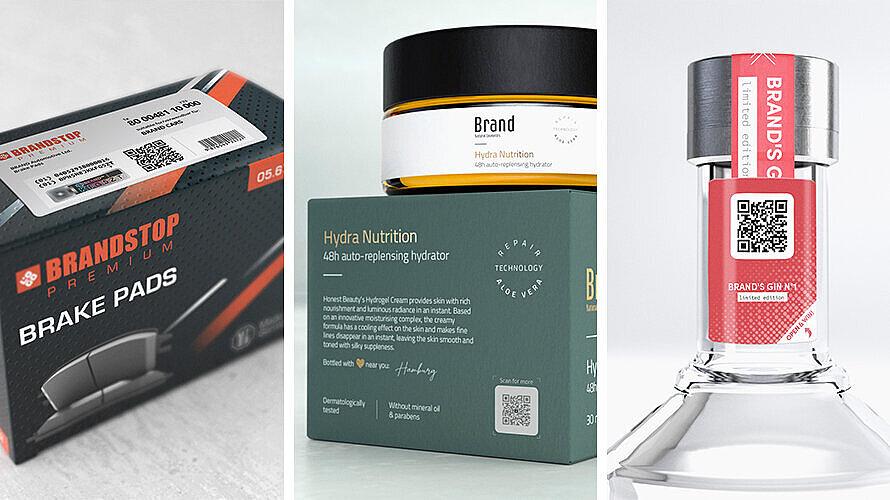
- QR codes for maintenance tracking
According to UL (Underwriters Laboratories), identification and labeling systems in equipment must maintain durability and readability under mechanical and environmental stress.
Why Equipment Labeling Requires Application-Specific Design
Equipment varies widely—from small electronic modules to large industrial machinery. Each application introduces different labeling challenges.
At HX, when designing anti tamper labels for equipment, we evaluate:
- Surface type (metal panels, painted surfaces, plastics)
- Operating temperature and environmental exposure
- Frequency of access and handling
- Required level of tamper visibility
We also conduct:
- Adhesion testing on actual equipment materials
- Environmental simulations for operational conditions
- Tamper behavior testing under real handling scenarios
This ensures labels remain reliable throughout the equipment lifecycle.
Why Standard Labels Often Fail in Equipment Environments
Many companies initially use standard labels for equipment, assuming they provide sufficient protection. However, industrial conditions quickly expose their weaknesses.
| Label Type | Tamper Visibility | Durability | Risk Level |
|---|---|---|---|
| Standard Label | Low | Medium | High |
| Industrial Label | Medium | Medium | Medium |
| Anti Tamper Label | High | High | Low |
Common failures include:
- Labels peeling off under heat or chemical exposure
- Tamper evidence not clearly visible
- Labels being removed and reapplied
Properly engineered anti tamper labels for equipment address these issues through material and adhesive optimization.
Case Insight: Improving Equipment Control in Industrial Facilities
A facility operator approached HX after experiencing repeated equipment issues that could not be traced.
Problems included:
- Unauthorized access to machine panels
- Lack of visible tamper evidence
- Difficulty tracking maintenance activities
HX implemented a solution:
- VOID tamper labels for panel sealing
- Destructible materials for irreversible evidence
- Serialized labels linked to maintenance logs
After implementation:
- Unauthorized access became immediately visible
- Maintenance tracking improved
- Equipment reliability increased
This case shows how labeling can enhance both security and operational control.
What Buyers Should Evaluate When Choosing a Solution
When sourcing anti tamper labels for equipment, buyers should consider:
- Adhesion performance on equipment surfaces
- Resistance to heat, chemicals, and handling
- Clear and irreversible tamper evidence
- Integration with tracking or maintenance systems
- Consistency across production batches
According to Packaging World, effective tamper evident systems combine durable materials with visible indicators to ensure reliability.
Frequently Asked Questions
Q: Can anti tamper labels be used on all equipment types?
A: Yes, with proper material and adhesive selection for each surface.
Q: Do labels remain effective under high temperatures?
A: Yes, if high-temperature materials and adhesives are used.
Q: Can labels support maintenance tracking?
A: Yes, through serialized codes or QR-based systems.
A More Reliable Approach to Equipment Security Labeling
Anti tamper labels for equipment are not just indicators—they are control points that help monitor access, ensure accountability, and protect assets.
At HX, we combine material engineering, adhesive science, and application expertise to deliver labeling solutions that perform consistently under real-world conditions.
Strengthening Equipment Control Through Better Label Design
Equipment operates in environments where visibility and accountability are critical. Proper labeling ensures that any unauthorized access is immediately detectable.
Explore Equipment Security Label Solutions
To see how different materials, adhesives, and tamper features are applied in equipment labeling, explore our product range here:
👉 https://www.hxsecuritylabel.com/products
Discuss Your Equipment Label Requirements with HX
If you are evaluating anti tamper labels for equipment or facing challenges with equipment security, you can reach out via:
👉 https://www.hxsecuritylabel.com/contact-us